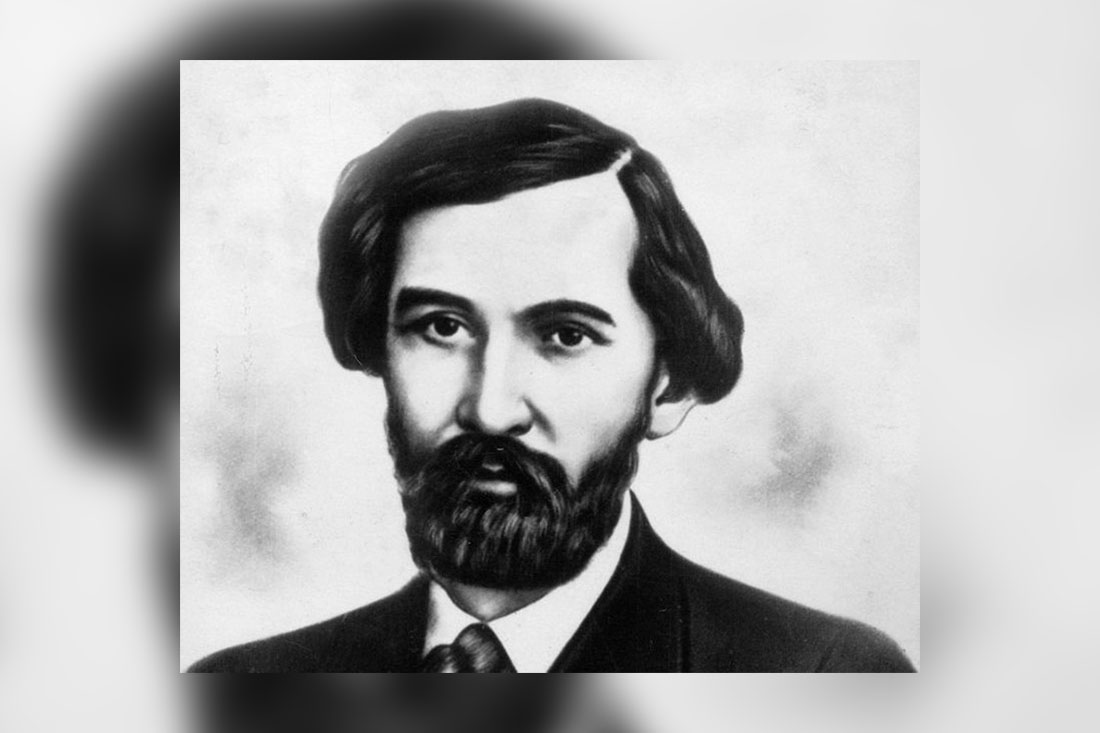
Francisco Sánchez Betancourt was born on January 31st, 1827 in Puerto Príncipe. He married Concepción Agramante Boza on June 12th, 1852, with whom he had ten children: four girls and six boys. They stood out because of their love for the freedom of Cuba, since he was in all the conspiratorial events that culminated in the creation of the Tínima lodge and the uprising of Las Clavellinas. Concha, 17 years old, was one of the women from Camagüey who cut her hair as a sign of protest against the execution of Joaquín de Agüero.
The family joined the Ten Years War (1868-1878) in the Uprising of Las Clavellinas, in November 1868 together with his older children, Francisco was very ill with tuberculosis. However, he decided to continue with the uprising. His wife, Conchita, along with the girls and boys, moved to live for a few months to Guáimaro city, recently liberated by the Cuban insurgents.
Even with a poor health due to tuberculosis, Francisco Sánchez Betancourt joined the insurgent ranks from the very beginning together with his sons Benjamín and Juan de la Cruz, the latter fell in combat in 1873.
Participation in the Assembly of Representatives of the Center and Guáimaro
His participation in the Assembly of Representatives of the Center was important and later in that of Guáimaro, where he was elected representative of the Chamber, remaining in that position until the end of the war, resisting the difficulties of life in the field, suffering from tuberculosis and under the constant pursuit of enemy troops.
In February 1869, Francisco was elected, along with Salvador Cisneros Betancourt, Ignacio Agramonte, Eduardo Agramonte Piña, and Antonio Zambrana as delegates to the Constituent Assembly.
In the year 1871 he separated from Concha, the refuge of the house in the mountains of Najasa was attacked by Spanish troops that took her prisoner along with the rest of her family. She emigrated to the US and worked as a seamstress to support and educate her children. Upon returning to their homeland, this family joined the libertarian plans of José Martí.
On February 10th, 1878, the Zanjón Pact was signed, officially ending the war. Many of those who did not agree with said pact participated in the Baraguá Protest, led by Major General Antonio Maceo, on March 15th, 1878. However, Francisco, exhausted and ill, withdrew from politics, to devote himself to his family.
Exile
Shortly after the end of the Ten Years’ War (1868-1878), Francisco Sánchez went into exile in New York to reunite with his wife and daughters, whom he had not seen since 1871. Conchita had had to work as a seamstress to support the family while Francisco was in Cuba during the war.
Already in the middle of the Tregua Fecunda (1880-1895), the Sánchez Betancourt family returned to their hometown, from where they supported the plans of José Martí (1853-1895) to restart the Cuban War of Independence, which would finally happen in 1895. However, Francisco was unable to see the start of that war, as he died of natural causes on August 30th, 1894, in his hometown.
Legacy
One of his sons was the Brigadier General and doctor, Eugenio Sánchez Agramonte.
The School of Trades founded by the Office of the City Historian pays him a well-deserved tribute by bearing his glorious name.
Bibliography
Diccionario Enciclopédico de Historia Militar de Cuba. Primera parte (1510 – 1898) Tomo I Biografías. Ediciones Verde Olivo. Ciudad de La Habana, 2014.
Translated by: Aileen Álvarez García