By: Lisset Picón
As it is known, the preservation of heritage in the prioritized area for conservation is a responsibility of both state entities and the population.
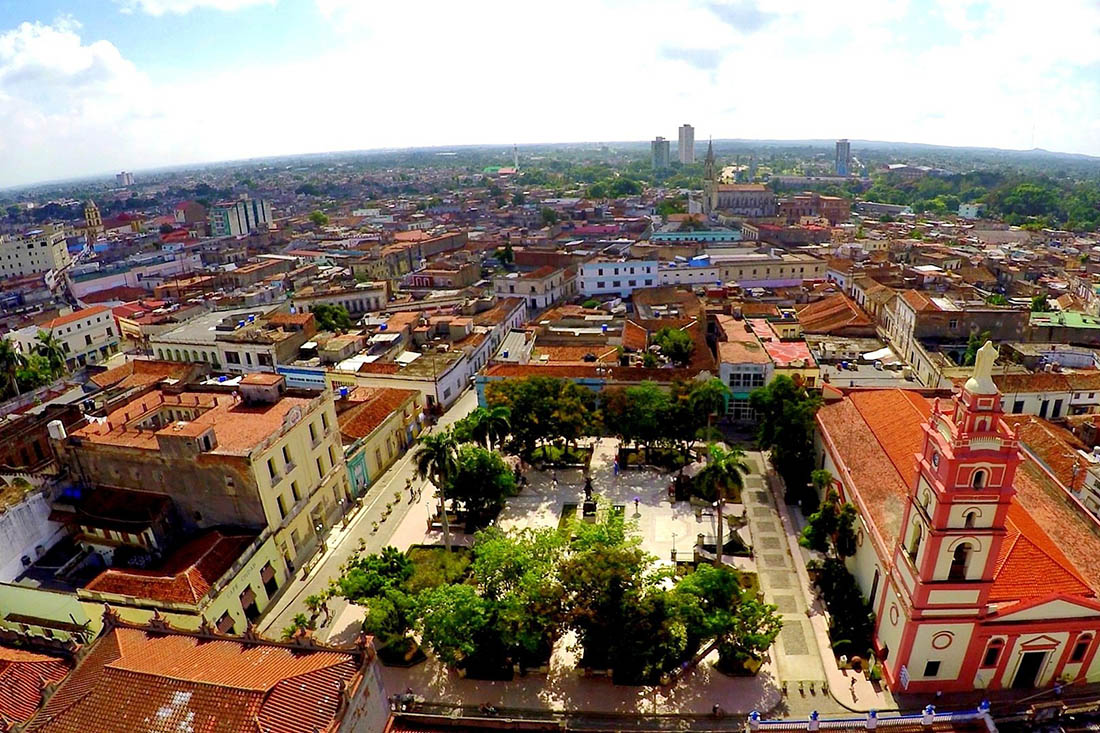
In the case of Camagüey, we have a very extensive Historical Center of 330 hectares (ha) that treasures important national monuments. Its oldest area -54 ha- was declared a World Heritage Site in 2008; which gives all its inhabitants a commitment to the defense of the identity and the material legacy of our ancestors.
A large part of the real estate owned by the ancient Historic Center is still used for housing and based on the characteristics of many houses: high props, wooden roofs and clay tiles, carpentry that covers the slender openings, among others, and the impossibility of the acquisition of some materials necessary for the conservation of the housing typology – as well as the little maintenance that has been given to it over the years – a marked deterioration is perceived in them, an issue that worries the population.
The inhabitants of the city must face the pressures of today and the need to improve their housing comfort, but without giving up the rich legacy and its distinctive features. In many cases, this last issue is not respected, since the established regulations (Urban and Architectural Regulations) are not complied with to guarantee the achievement of the main expectations, both of the population and of the institutions in charge of the care and conservation of the buildings, for their permanence in time.
Currently, as a national policy, three fundamental ways have been approved for the repair of homes by their owners. These are: through subsidies granted to low-income families, the authorization of bank credits and repairs by own efforts. Any of these options, when referring to dwellings located in the Historic Center, must go through a permit process with the Delegation of Urban Territorial Planning (DOTU, by its acronym in Spanish), an organization that, in turn, consults the Office of the Historian of Camaguey City (OHCC).
Therefore, any construction action that involves or does not involve the facade of the buildings requires permits for its execution, issued by the DOTU, which performs the specialized consultation in heritage conservation with the Master Plan of the OHCC.
This process implies the issuance of the urban regulations document, which in the case of requiring a project must be presented to the Community Architect for its realization; and will only be approved by the DOTU, once it is reviewed by the OHCC. This permission is not a mere bureaucratic procedure, behind it there are implications that put the value to be preserved at risk.
The population must know that the OHCC has an Office of Guidance and Consultation that has the mission of raising awareness, training and guiding the population of the Historic Center to guarantee regulation, order and synergies in private and public actions, so that are carried out in correspondence with the Management Plan of the Historic Center.
That is to say, in it you can access advisory and consultation services to clarify doubts or concerns that property owners have about modifications, transformations, extensions or uses that they intend to make of their homes. Complaints, concerns and suggestions from the population are also collected, as well as requests for an opinion on the use of land for the exercise of the activity on their own account, both in real estate and in public spaces located in the area of the Historic Center.
It is valid to clarify that the city is a living entity and can be transformed, but the preservation of the qualities that have allowed it to obtain World Heritage status must be a permanent commitment for those who live and enjoy it.
Translated by. Aileen Álvarez García