Incorporation to the Great War
His incorporation into the Ten Years’ War took place under the command of Augusto Arango, and together with him he occupied the town of Guáimaro. He is one of the men who attends the meeting of the Paradero de Las Minas, where the path of the Revolution in Camagüey is defined, and the figure of Ignacio Agramonte stands out.
Likewise, Carlos Agüero García participates in what is considered the “Baptism of Fire” of the principeños, the Bonilla combat, in which the Mambi forces defeat a powerful Spanish column. As of January 1869, he joined the ranks of General Manuel de Quesada. In this period, he stands out in the combat of Paso de Lesca, in the vicinity of Sierra de Cubitas and in which he obtains the rank of Corporal.
Later and until 1873 he became part of the Agramonte troop. His military promotion continues, and due to his performance, he obtains the ranks of First Lieutenant and Captain.
After the death of El Mayor, he remains in the troops under the orders of Máximo Gómez. Likewise, he was present in the assaults on the towns of Nuevitas, Santa Cruz del Sur, in the combats of La Sacra, Palo Seco -one of the most significant victories of the Liberation Army-, Naranjo, Mojacasabe, and in the important Battle of Las Guásimas.
Under the direction of Henry Reeve, El Inglesito, he is promoted to Commander. In 1877 he received the rank of Lieutenant Colonel and command of the infantry regiment “Caonao”. During his work in this position, he is taken prisoner in a skirmish, but is released after the Zanjón Pact.
While enlisting to join the Guerra Chiquita, he is arrested and imprisoned for a period of nine months. It is valid to highlight that he is one of the first Camagüeyans to join the new contest that José Martí was preparing. During this feat, he gathered a small group of men with which he supported and made himself available to the Generalissimo in June 1895.
By 1896, he was named Brigadier General and successively held the leadership of the 1st and 2nd Division of the Third Corps of the Liberation Army. Later, he commanded the Trocha Brigade and the Third Brigade of the 2nd Division of the 3rd Corps. However, in the final structure of the Liberation Army, this last unit does not appear registered.
A latent anti-imperialism
The new situation in Cuba worried him considerably. Agüero makes known his position in acts of repudiation against the Platt Amendment. In addition, since the establishment of the bourgeois Republic, he made public his discontent with US interference in Cuban lands. He also criticized the various demagogue and servile republican governments.
Summarizing…
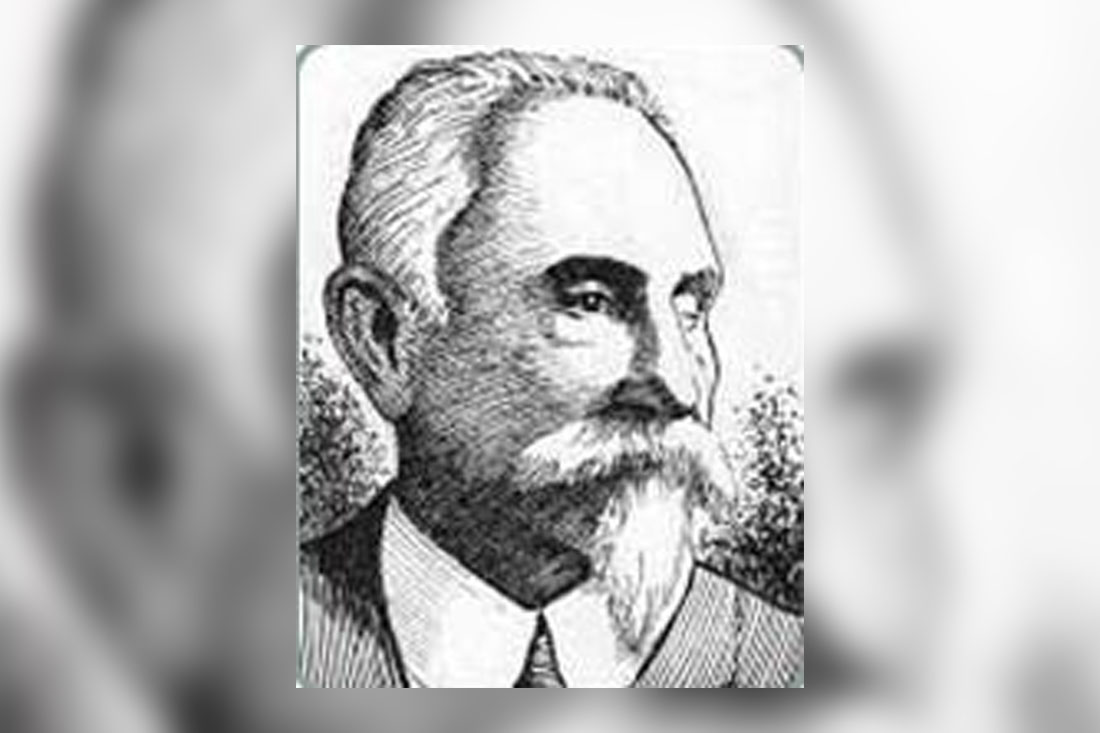
Carlos Agüero García was a man from Camagüey who did not hesitate to take a step forward when his Homeland demanded it. He joined the Cuban conspiracy movement and later the independence struggles. He protested against US interference and the Platt Amendment. His death occurs in his hometown, Camagüey, on January 21st, 1939.
References:
– Adán Castaños, Yeni Yeisi. Camagüey, tierra de valerosos hombres: Carlos Agüero García http://www.ohcamaguey.cu/camaguey-tierra-de-valeroso-hombres-carlos-aguero-garcia/.
– Cento, Elda coords. (2012). Cuadernos de historia principeña 11. Patrimonio y legado al siglo XXI. Camagüey: Ácana.
– Figueredo, Fernando (1969). La Revolución de Yara. La Habana: Instituto Cubano del Libro. T.1 y T.2.
– Miró Argenter, José Miró (1970). Crónicas de la guerra. La Habana: Instituto Cubano del Libro. T.1 y T.2.
Translated by: Aileen Álvarez García