Almost all people from Camagüey know the Revolution Square in one way or another, whether through an act, concert, meeting or event. But most of the time this square is only the space where events are held and not the main protagonist of the press. That is why these photojournalists arrived at this emblematic site of the sociocultural panorama of Camagüey, and made it the objective of their lens.

The Revolution Square Major General Ignacio Agramonte y Loynaz Museum is surrounded by various sports facilities, family homes and government institutions. At its entrance, our camera found a linear set of royal palms, as a symbol of the Cuban identity that this square houses.
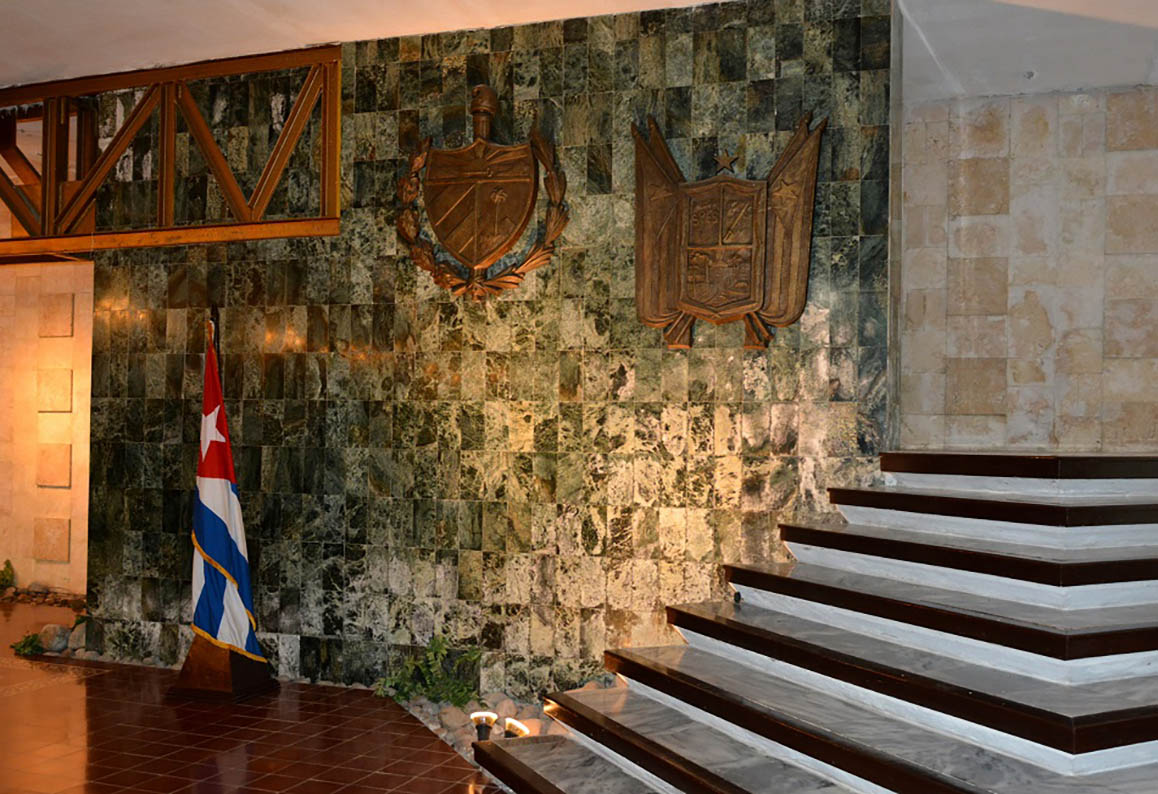
The Guillén Hall is the formal site within the Museum. High distinctions are awarded there, such as the National Vanguard flag, the Key to the city, the status of Illustrious Son … and some institutions sign their codes of ethics.
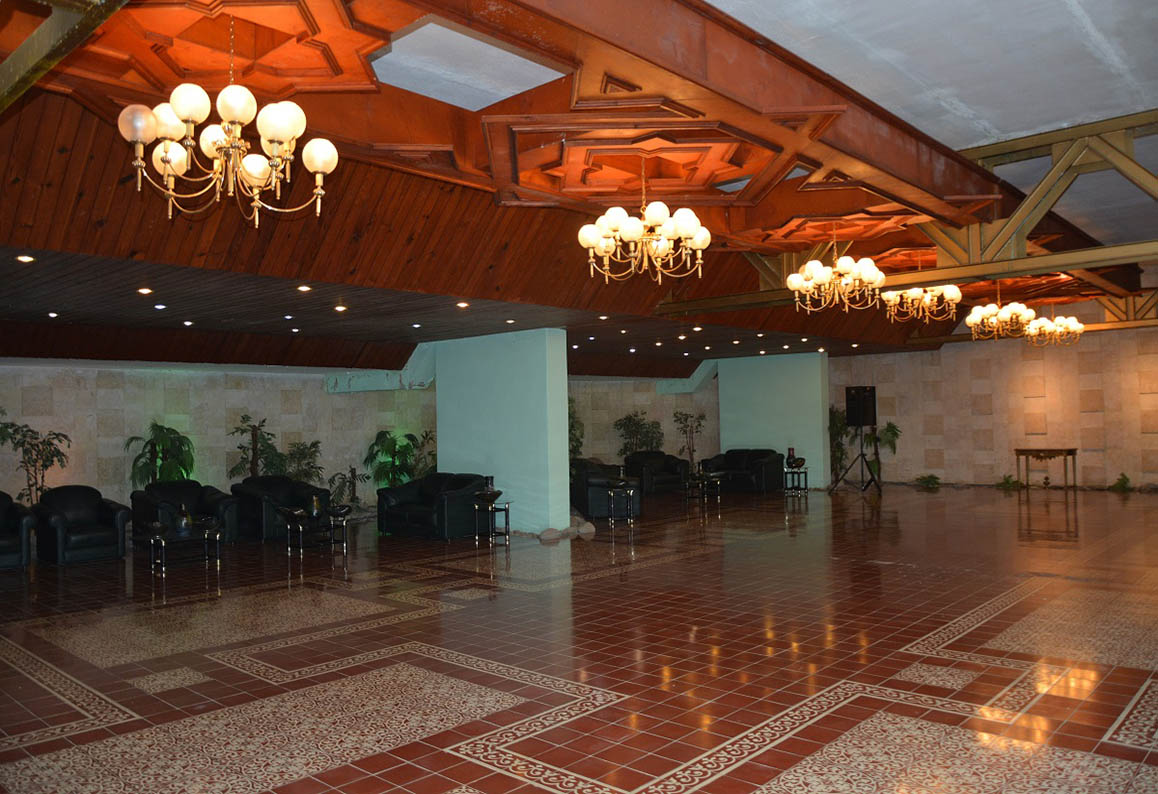
This place has received visits from important personalities of our culture and government and also from international figures such as Pope John Paul II.
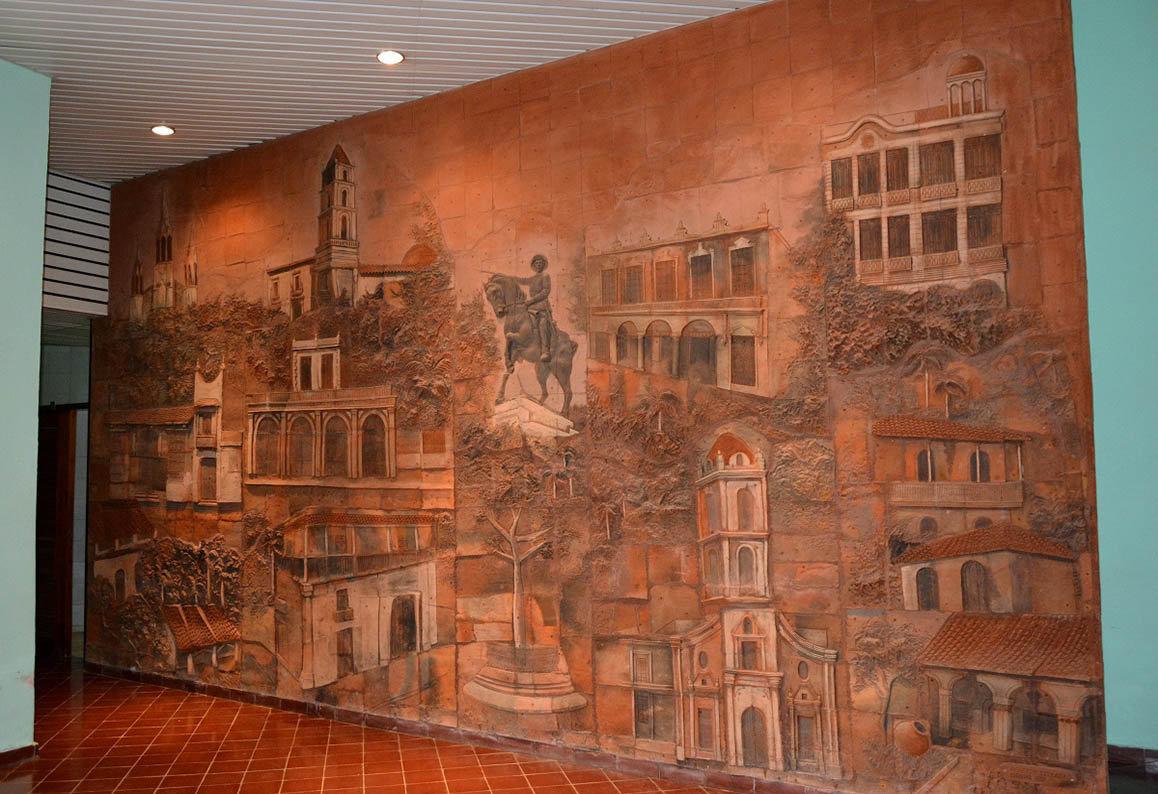
The most representative element of this hall is the sculptural mural made by the plastic artist Roberto Estrada.
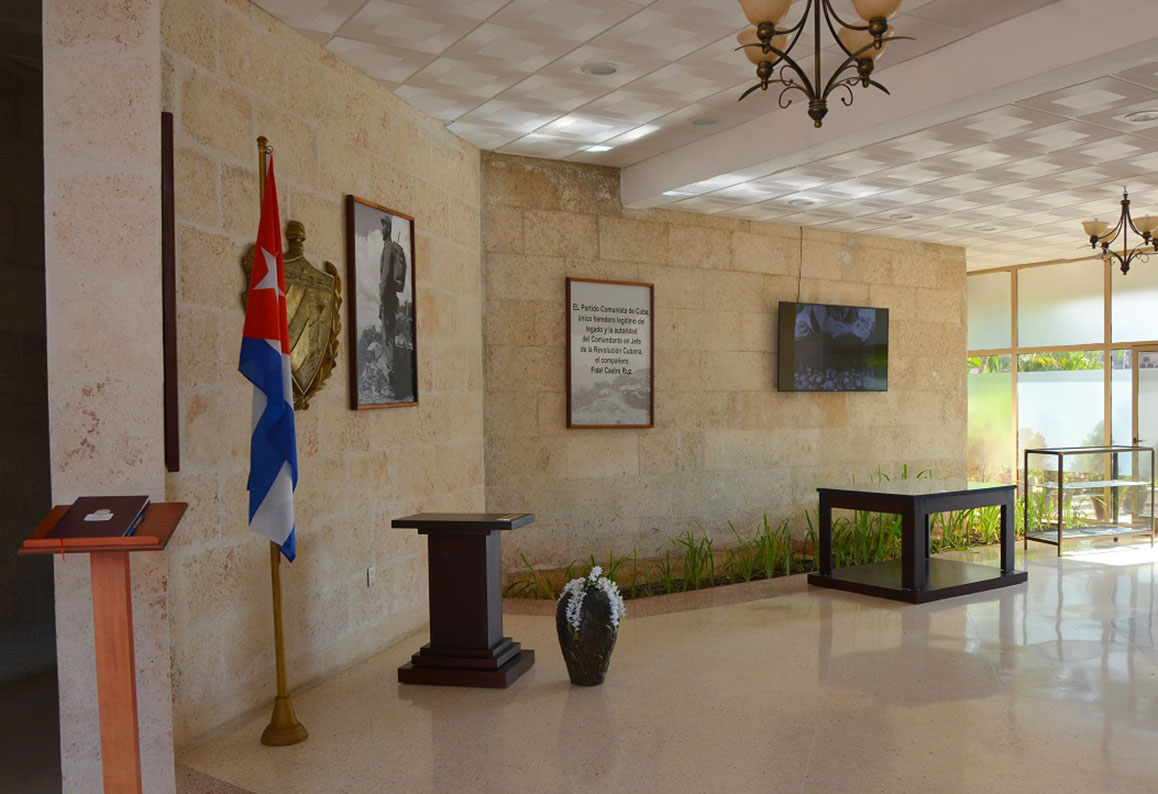
The Jimaguayú Hall was the place where the people of Camagüey signed the book of condolences in honor of Commander in Chief Fidel Castro. There, were also placed the ashes of the leader of the Revolution, during the passage of the caravan through Camagüey.

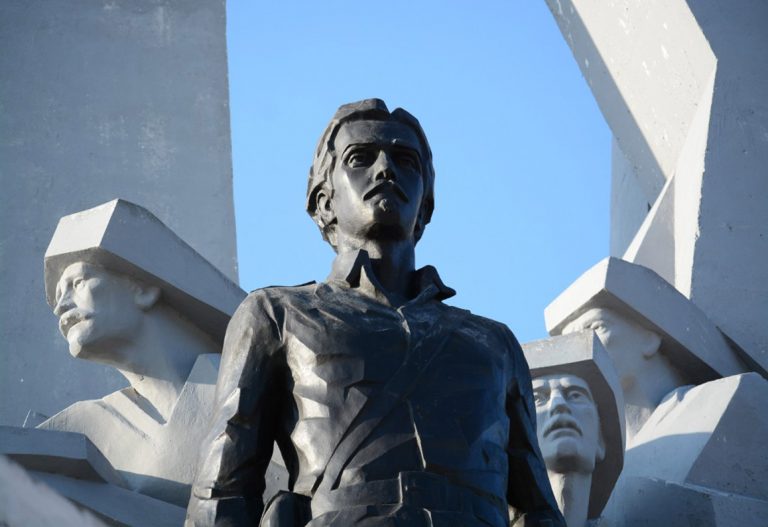
The monument in honor to Ignacio Agramonte was placed in the square on December 23th, 1991, to conmemorate the 150th anniversary of the birth of this Camagüey hero.
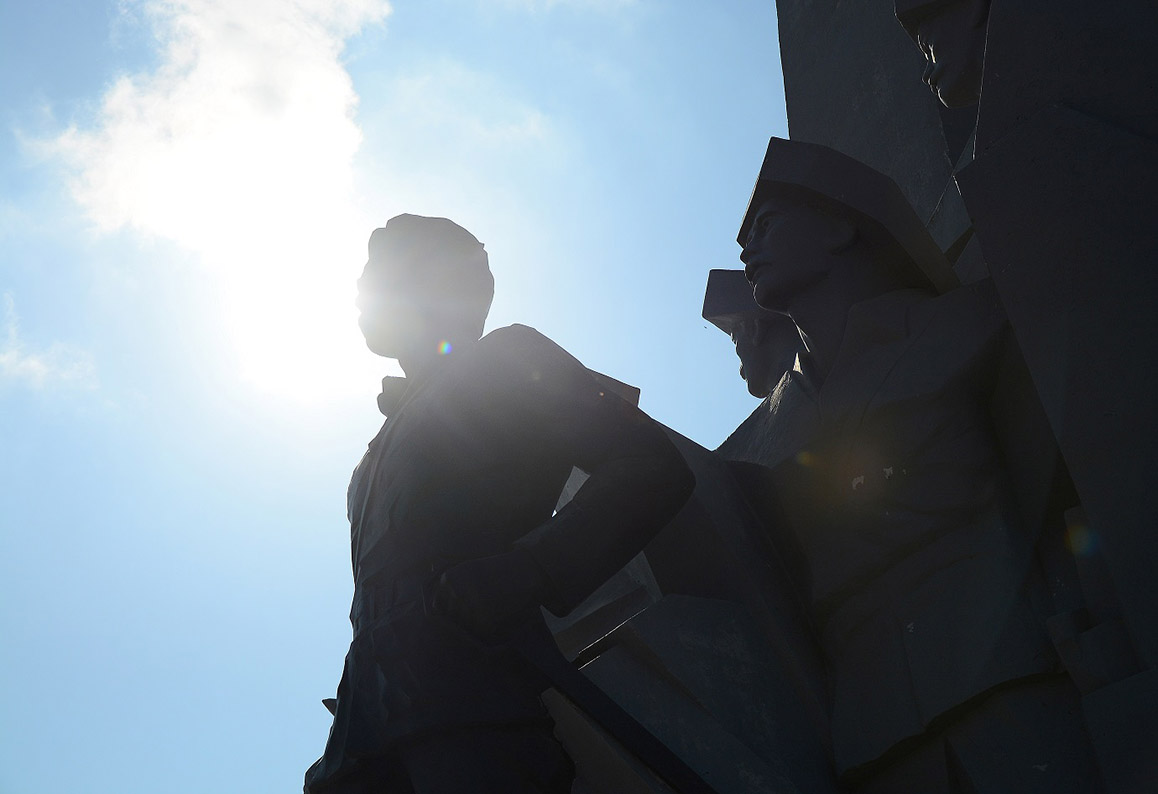
In this piece of art the figure of Agramonte stands out in bronze, with a height of 5.6 meters and hollowed out in the center. Behind, the cavalry that he commanded is represented.

In the sculptural ensemble there are 3 concrete columns, representing the 3 blue stripes of the Cuban flag and the free spaces, which symbolize the two white stripes. Also, in its highest point, it is placed the solitary star. The embossed baseboards are also noteworthy because they make reference to each of the Cuban History periods.
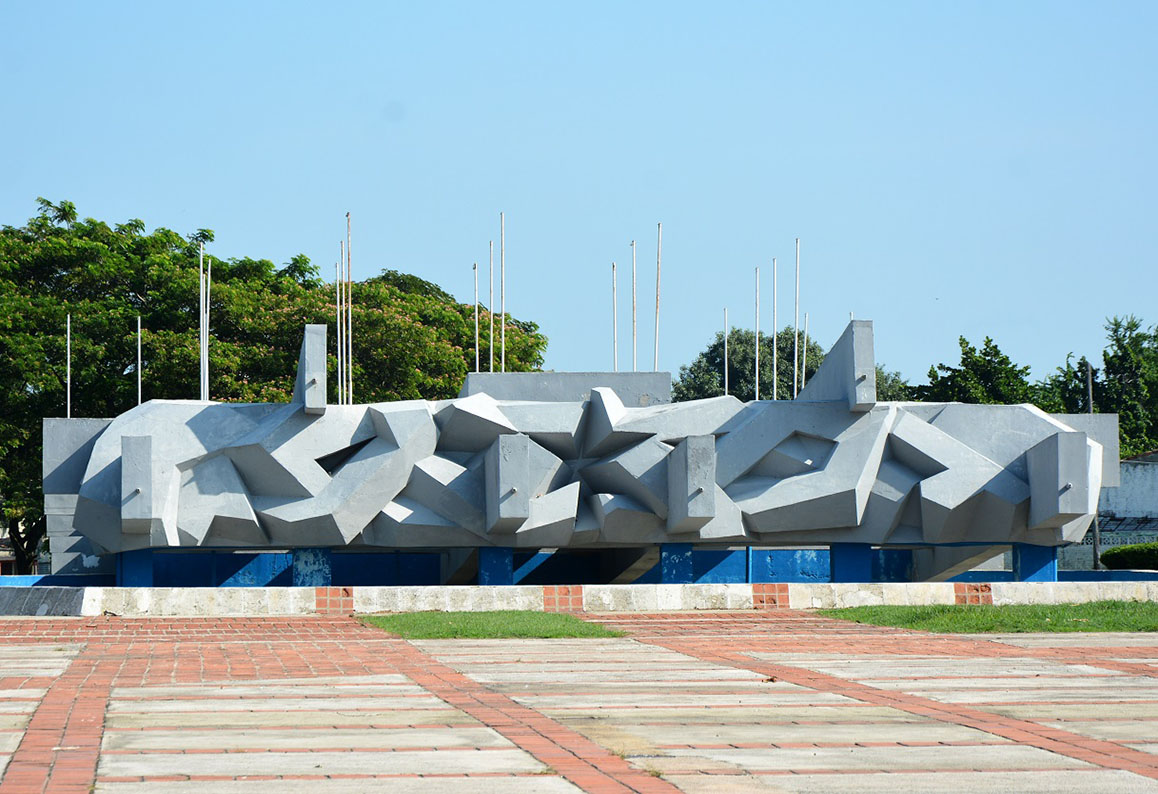
The Fountain of Latin American Flags, inaugurated on January 28th, 1998, has 21 poles and constitutes a representation of the unity among Latin American movements.
Translated by: Aileen Álvarez García