With the arrival of summer, the Camagüey Railway Museum has just opened some of its rooms to the public. I think it’s fair enough to dust off the beautiful memories of our friend Marlene Álvarez about his uncle Mario Arostegui Recio, who was a railway worker and the first son of this land to pay with his blood the in the clandestine fight against the dictator Fulgencio Batista.
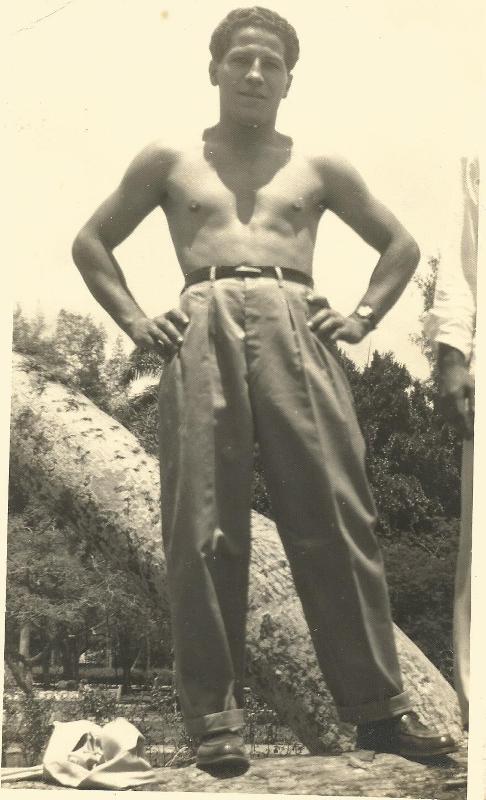
Mario began to work in 1943 in the cargo area, known as the express. It was possible identified him in his work for his badge marked with the number 9278. He was strong and his robustness made it easier for him to finish his tasks at work. Since then, he secretly began his revolutionary work, practicing shooting on the outskirts of the city.
On July 26th
 In 1953 he went to Santiago de Cuba to make contact with the comrades of the July 26th Movement. He traveled to that city by train.
Due to his explosive personality, Mario was already under the radar of the hitman Pata de Ganso, because every time he sent him to close a button on his shirt in the street, with all the contempt in the world he would tell him: Come and button it yourself, a provocation that the Batista man never answered.
But already wanted by the dictators here and also in Santiago, for being seen in train traffic strikes, protests and also painting some symbols on the graves of those who died in the attack on the Moncada Barracks, his persecution became a priority for the Batista forces.
Faced with such pressures, he returns to Camagüey and spends the day at home with his family, at night he goes out to have dinner at the Market Square, today Santa Rosa market. But sadly, that November 11th, 1953 he never came back home.
After a long wait and the anguish of his family, they learned that he was arrested, savagely tortured and murdered in the town of Bidot. Even though he was tortured, Batista men could not obtain from him any intelligence. Then, his body was outraged and placed on the bridge over the Mabay River.
The tribute
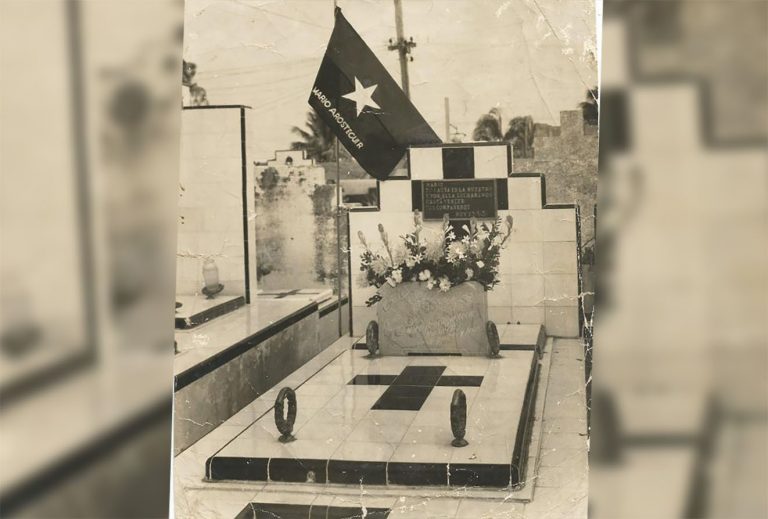
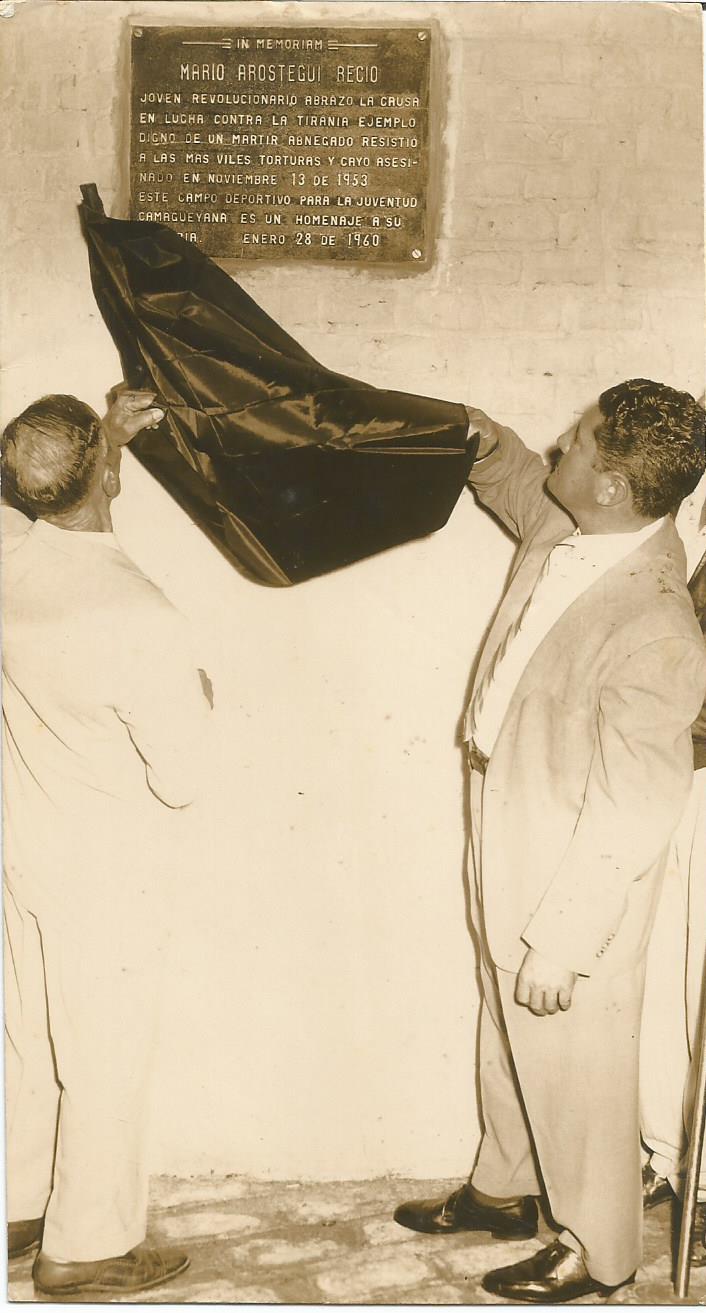 His comrades managed to rescue the body and bury it with dignity in a railroad pantheon. Then they raised funds and bought a tomb for him, where a bronze plaque recalls the oath of his comrades: “Mario, we share the same cause and for it we will fight until we win.”
Every September 30th, in honor of his birth, the railwaymen make a pilgrimage to the Arostegui pantheon and together with the July 26th Movement flag and the flowers, they let him know that his promise was fulfilled and that they will not forget that his young blood paid our homeland roots for the tree of freedom to flourish.
Translated by: Aileen Álvarez García