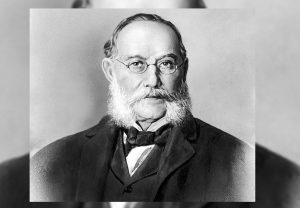

To the benefactor of humanity: Carlos J. Finlay y Barrés
On Sunday, August 14th, 1881, a thin man of short stature, with a wide forehead and sweet face, adorned with ample sideburns, attended mass very early in the Belén chapel,

On Sunday, August 14th, 1881, a thin man of short stature, with a wide forehead and sweet face, adorned with ample sideburns, attended mass very early in the Belén chapel,
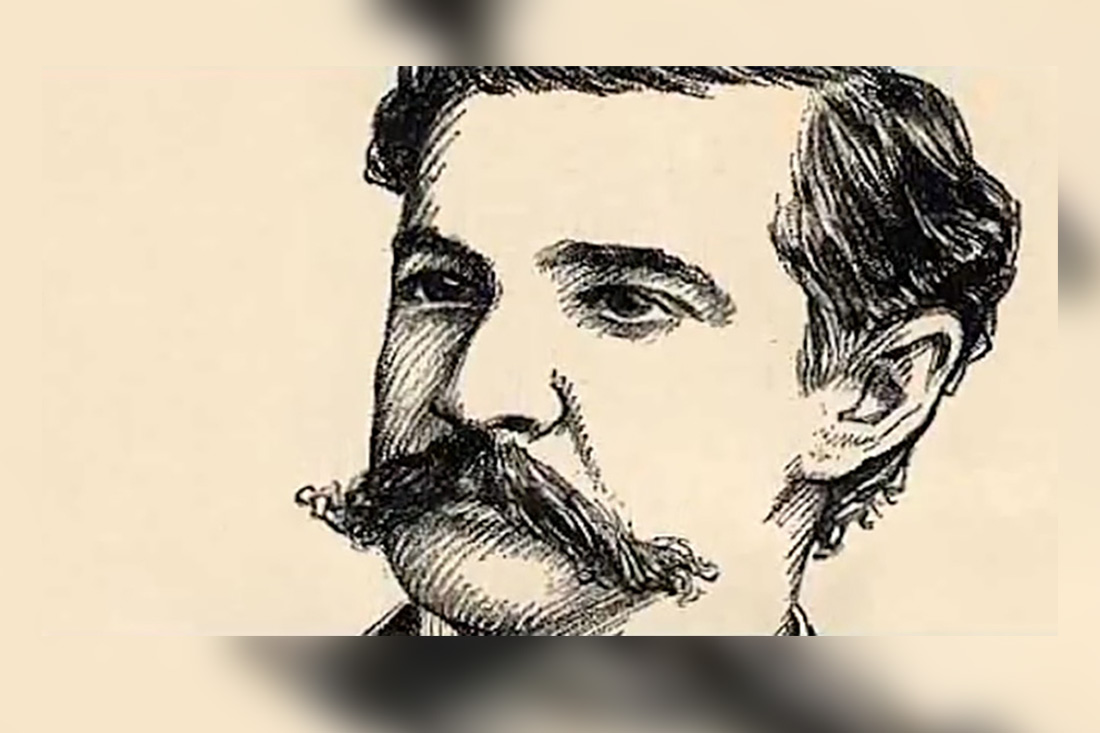
Augusto Arango y Agüero was born in Puerto Príncipe on March 18th, 1830, he conspired against the colonial power from a young age and took up arms in 1851 with
The life of the Cuban doctors who stood out in the wars of independence is always of great interest, such as the case of the outstanding doctor from Camagüey Eugenio
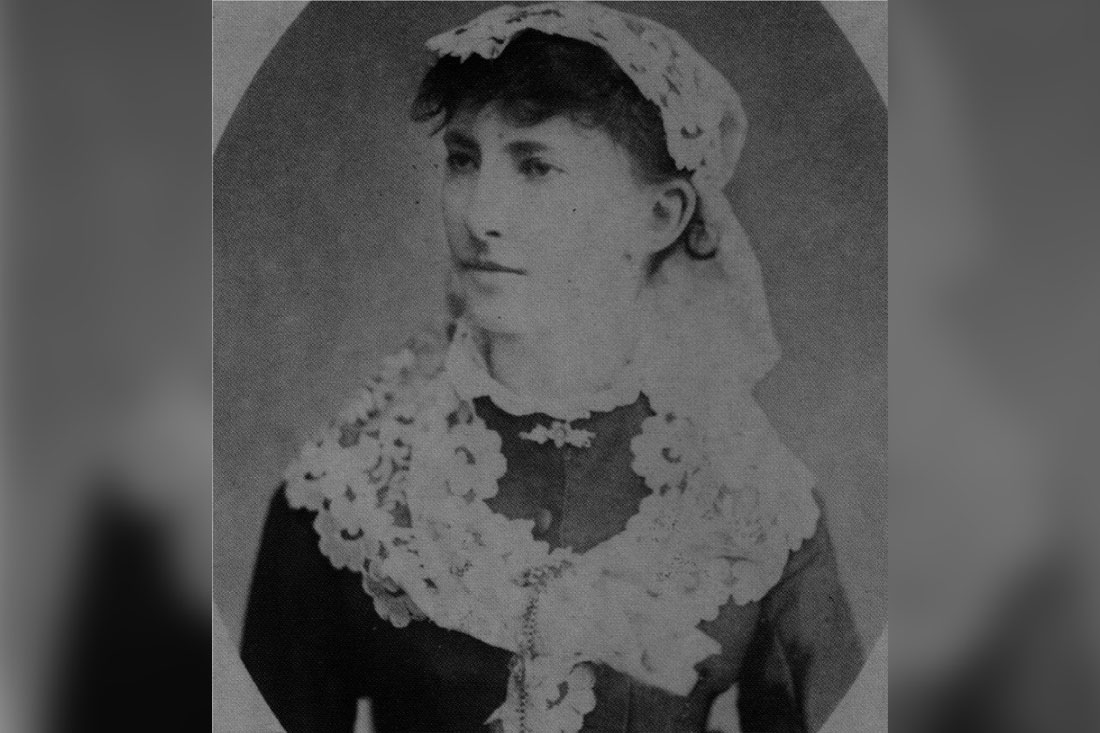
Ana Betancourt was a Cuban patriot, born in Puerto Principe, Camagüey, on February 14th, 1832. She married Colonel Ignacio Mora de la Pera, whom she married on August 17th, 1854.
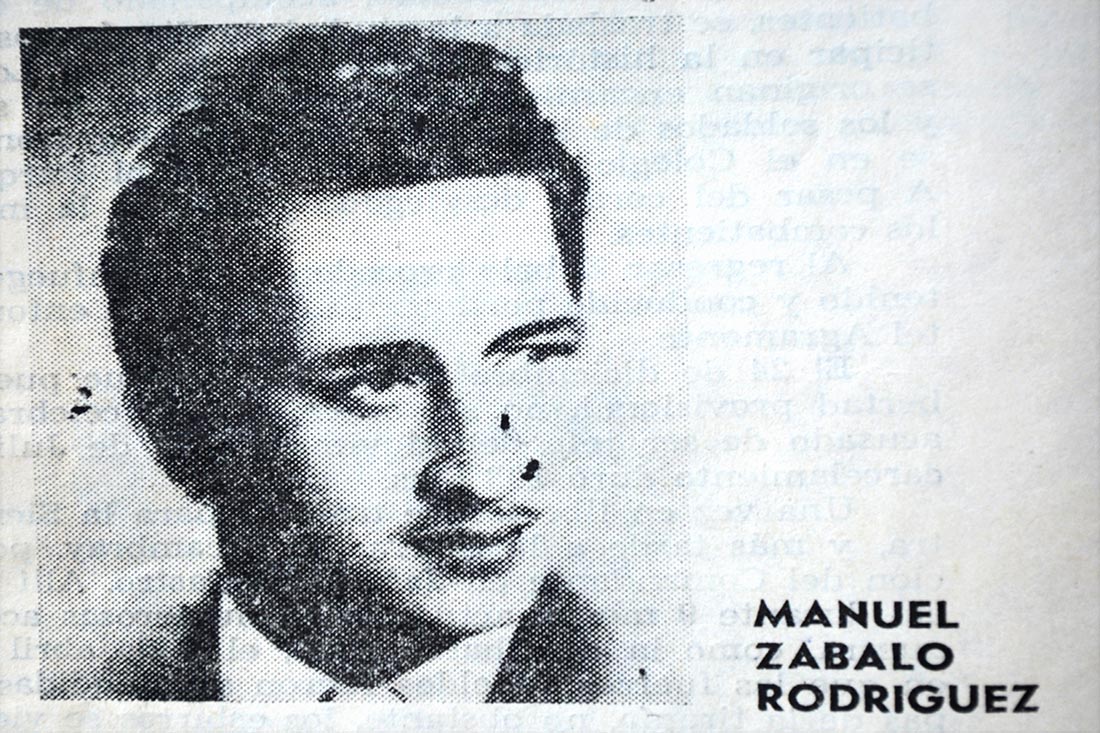
Manuel Zábalo Rodríguez, Cuban revolutionary combatant, a native of Camagüey, better known as the “Combatant of the Three Mountain Ranges”. He was born on January 30th, 1927. He was a
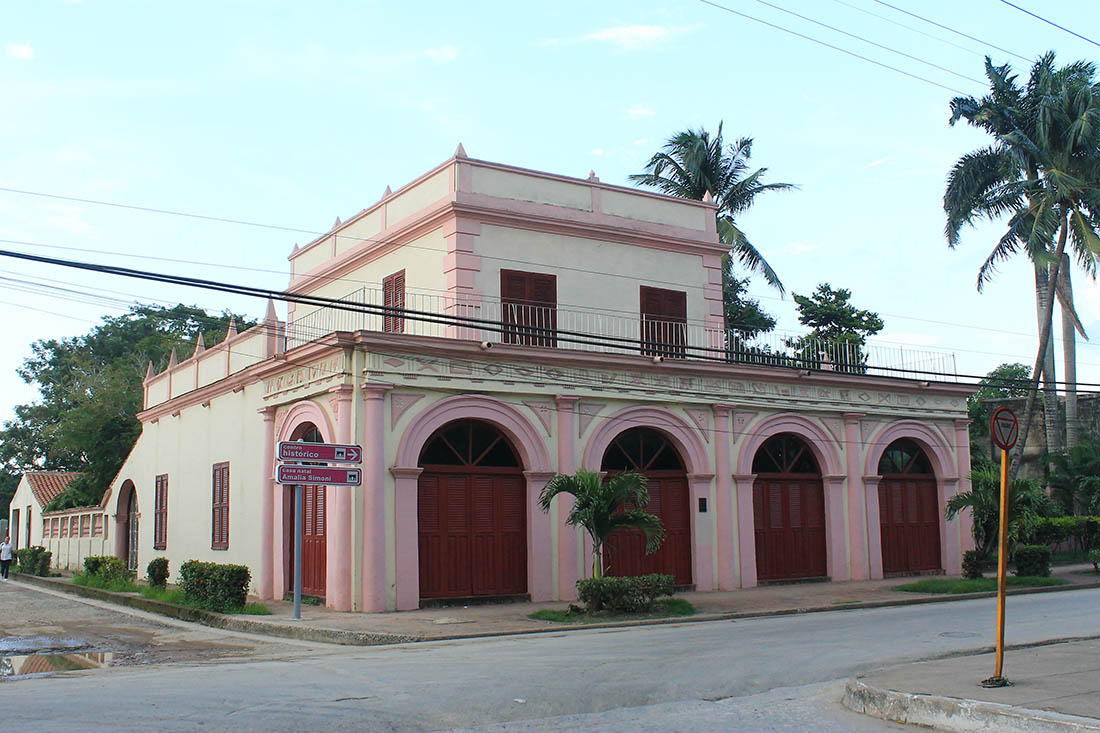
The Simoni Country House Museum in our city is a house that was built in 1848, and owned by one of the most progressive families in Camagüey city, the Simoni
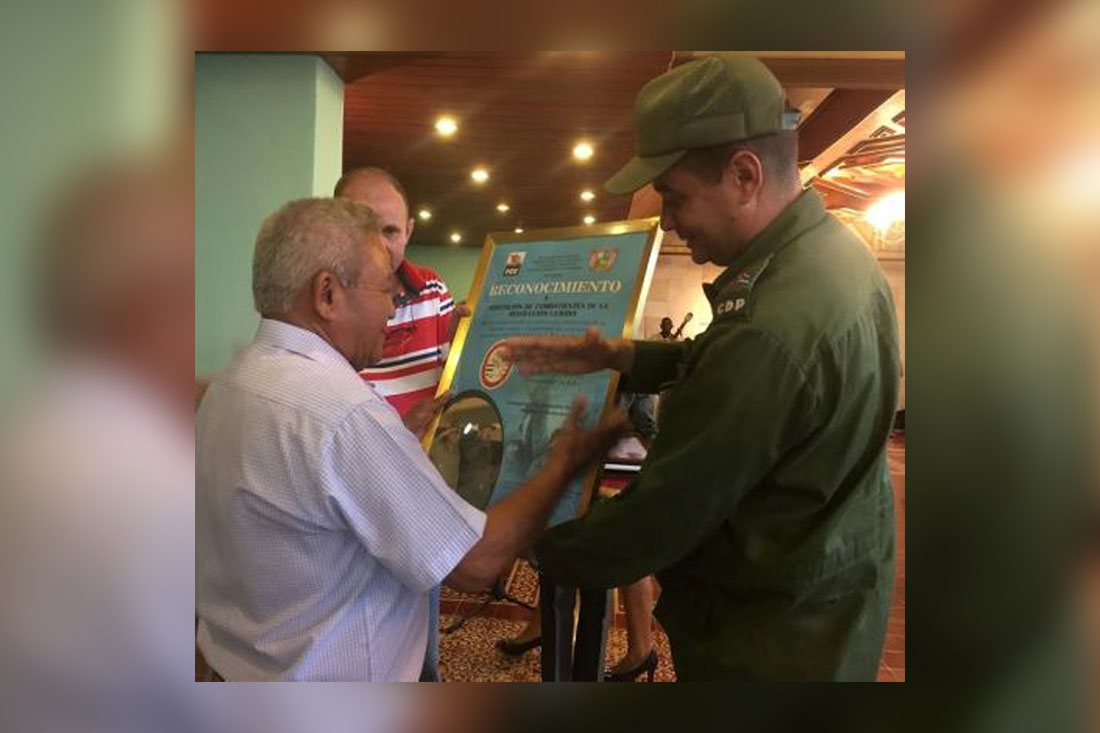
«Our association was born as Martí taught us: with the new pines and the old pines forming a formidable bundle. And not the product of a willful act or for
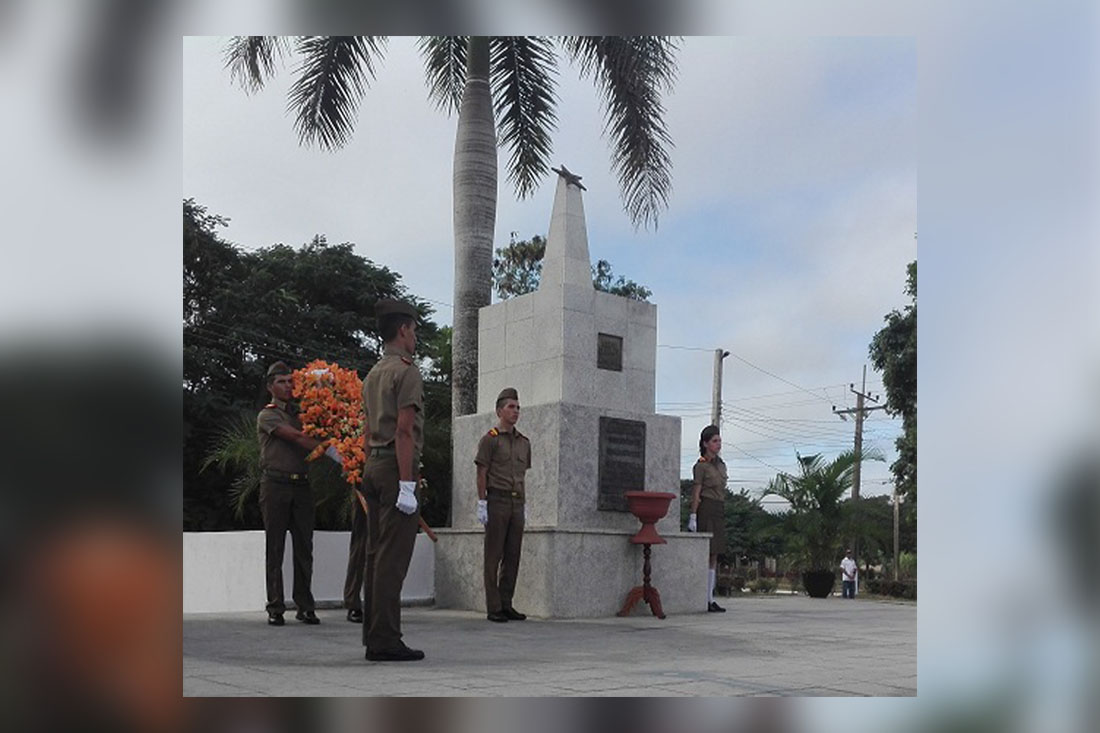
In the scene of the guerrilla struggle against the tyranny of Fulgencio Batista, the creation of the Camagüey Front responded to the objectives of reestablishing command of all the forces
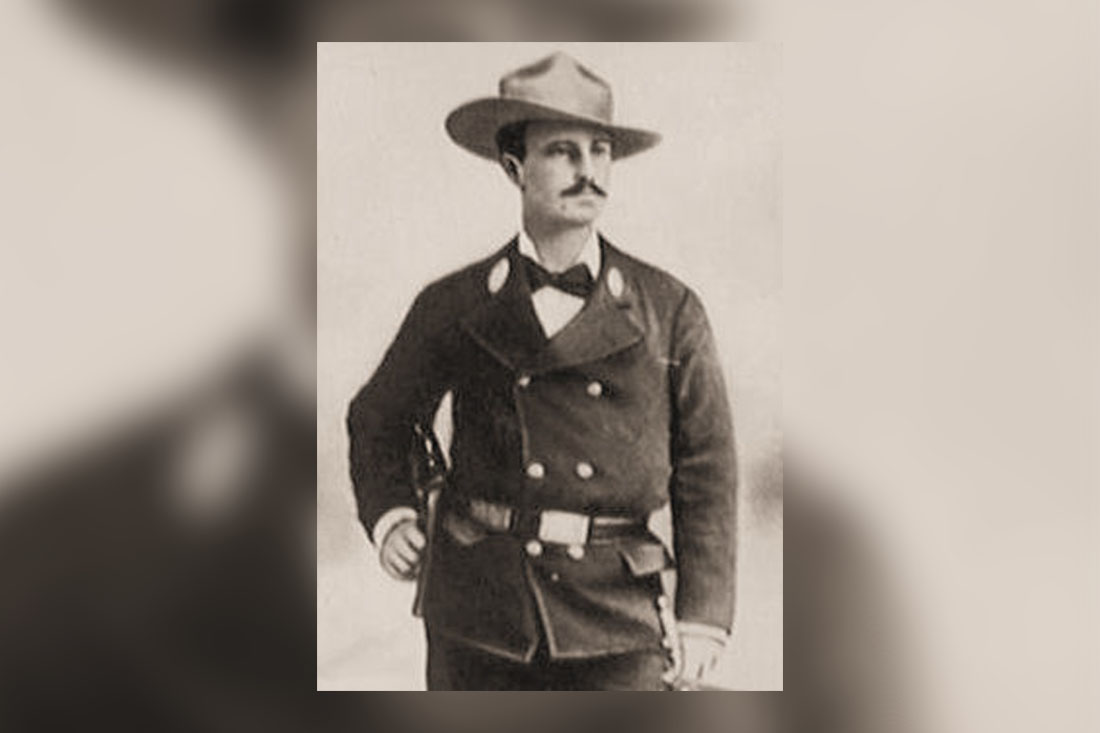
Bernabé de Varona y Borrero, known from a very young age by the nickname “Bembeta”, was born on November 23rd, 1845 in Puerto Príncipe, today Camagüey. Coming from a wealthy
45 years ago, our Commander-in-Chief visited the province of Camagüey for the inauguration of the Máximo Gómez Báez Pre-University Vocational Institute of Exact Sciences, and in his inaugural speech he
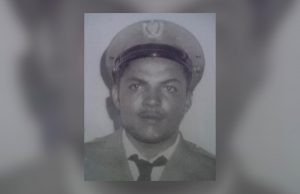
Mario Águila Bernal was a young revolutionary who dedicated part of his life to the fight against the dictatorship of Fulgencio Batista from the ranks of the July 26th Movement
When the combatants left Isla de Pinos together with our leader Fidel Castro Ruz, on May 15th, 1955 in Batabanó, Havana; Candido González Morales, Calixto Morales, Raúl García Peláez, Manuel
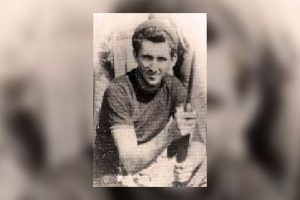
In the combat carried out in the town “24 de Miranda”, the prominent combatant Roberto Estévez Ruz, who belonged to the guerrilla movement of the rebel forces on the Second
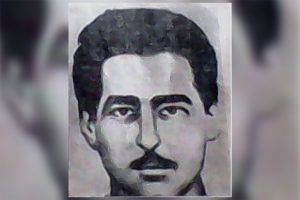
When we speak of our martyrs is not fair to only mention their deeds, but of how they gave their lives to see their homeland free from tyranny. Luis Fernández
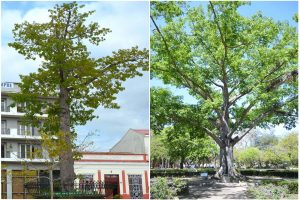
On May 5th, 1902, in the city hall of Puerto Príncipe, present-day Camagüey, two of its councilors defended the idea of planting the Independence tree in Mercedarian Square. Corporations and
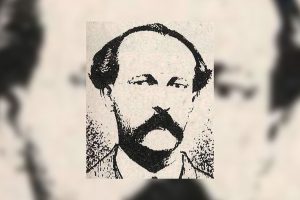
He was born in Puerto Principe on August 19th, 1820, his parents were Manuel Boza and María de la Cruz Agramonte. They belonged to the wealthiest group of families in
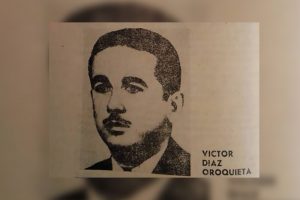
On September 8th, 1917, the revolutionary Víctor Díaz Oroquieta was born on Masvidal Street No.24, whom everyone knew as Tano. His family came from a middle class since his father
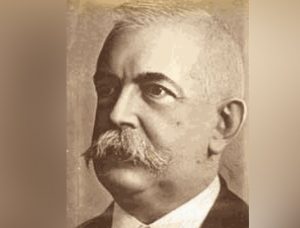
Enrique José Varona, was a multifaceted personality of the intellectual life of the country, he contributed his talent to fields such as literature, sociology, psychology and philosophy; being a leading
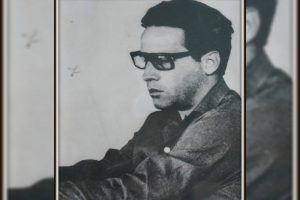
The first blood spilled on Bolivian soil, by Che’s column, was Cuban, on April 10th, 1967. Jesús Suárez Gayol, a man of complete integrity who not only gave his life
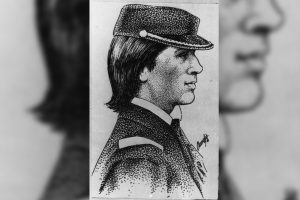
… “It impressed the shot to the temple, as a symbol of courage and military decorum, the shots of the failed execution in the rib cage, and the mark of
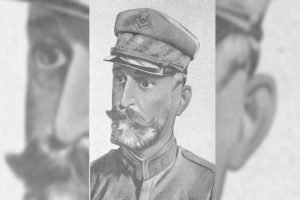
On January 1st, 1899, the First North American Intervention in Cuba began, and on March 24th, Major General Lope Recio Loynaz took office as Civil Governor of the Province of
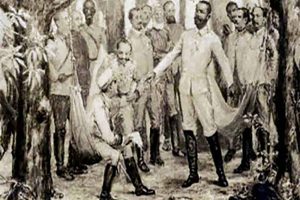
On February 10th, 1878, some Cuban officials signed the Zanjón Pact with Spain, which ended the war, without recognizing the independence of Cuba. In this Pact the bases for a
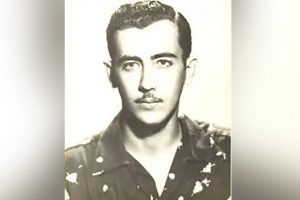
On Sunday, March 2nd, 1958, a revolutionary command, led by Noel Fernández Pérez, a 22-year-old young man and made up of Rolando and Osvaldo Marrero, Chichí Varona, José Quesada, Roberto
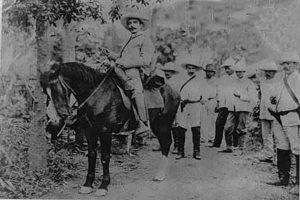
On February 4, 1858, Bernabé Boza Sánchez, Brigadier General of the Liberation Army, was born in Puerto Príncipe, Camagüey province. He was the son of wealthy parents, but with pro-independence
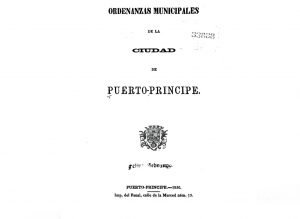
The Municipal Ordinances of the city of Puerto Príncipe were approved in Havana on October 8th, 1856, by the Captain General of the Island José de la Concha, but did
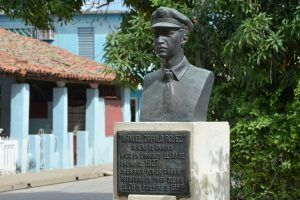
Manuel Zábalo Rodríguez, Cuban revolutionary fighter, a native of Camagüey, better known as the “Combatant of the Three Sierras”. When the coup d’etat took place on March 10th, he is
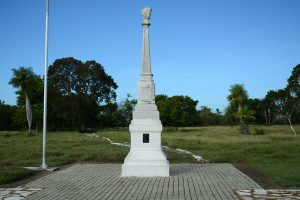
The Jimaguayú pastures Historic Site (declared a National Monument on December 25th, 1979), is the place where Major General Ignacio Agramonte y Loynaz falls fighting against the Spanish colonialists, considered
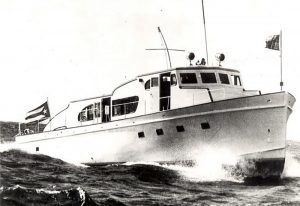
64 years after the departure of the yacht Granma from Tuxpan, Mexico, we feel we have the duty to recall such an important event where not only the worth of
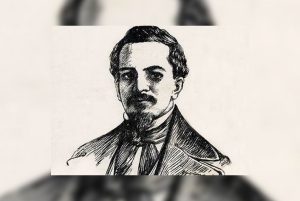
Joaquín de Agüero y Agüero, precursor of the independence struggles, was born into a wealthy family on November 15th, 1816. He studied law in Havana, but returned to his city
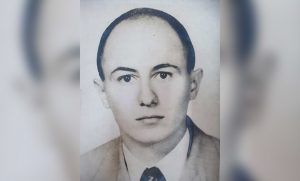
On November 14th, 1924, the prominent revolutionary Rafael Guerras Vives, better known as “Guerrita”, was born in Camagüey. His parents were able to give him a good education and he
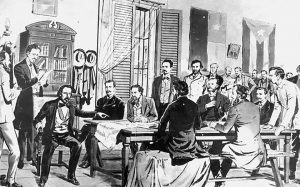
Following the provisions of the Jimaguayú Assembly, celebrated two years before: that, if after 2 years of its approval the war had not been won, a new Assembly of Representatives
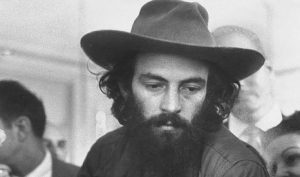
Camilo Cienfuegos Gorriarán, one of the main leaders of the last stage of our struggles, accumulated a long record of service to the Revolution. The Granma expeditionary participated in his
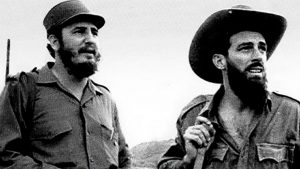
October 21th, 1959 went down in history as an unforgettable date and a revolutionary reaffirmation of the people of Camagüey. Thousands of men and women, together with Fidel, staged the
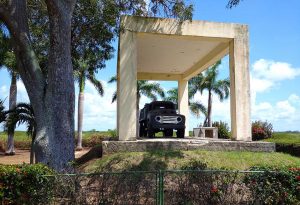
While the province was crossed by the invading columns of Camilo and Che at the beginning of the month, and the clandestine fight was increasing in the cities, in the
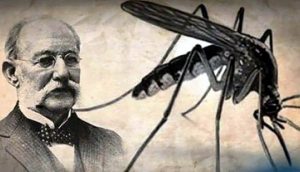
Carlos J. Finlay y Barrés was a doctor and scientist who discovered and described the importance of the biological vector through the metaxenic theory of disease transmission by biological agents,
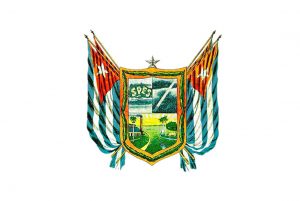
The coat of arms of the province of Camagüey was officially approved by the Cuban state on December 22th, 1926, along with the rest of the provinces. The authorship of