Camagüey is a monumental land in every sense of the word; twenty sites have been declared a National Monument in this demarcation.
The first steps to grant such distinctions in Camagüey are linked to the visit of the Commander in Chief Fidel Castro in 1973, during the commemorations of the centenary of the fall in combat of Ignacio Agramonte.
At that time, during Fidel’s tour of El Mayor’s Birthplace, Quinta Simoni, and Potrero de Jimaguayú, the possibility of granting the distinction to these places was discussed; although it was not until 1978 when the award was made officially.
The historical speech of the Commander in San Juan de Dios stands out from these events, a public space that today also holds the status of a National Monument.
The wars for independence play a leading role in Camagüey’s monuments, since more than half of them are linked to historical events related to the liberation struggles, which shows the high patriotic tradition of those born in this land.
In recent years, a lot of effort has been put into the preservation of the historical memory of the city; it is not by chance that from 2005 to date a total of 13 places have been declared National Monument.
In addition, the number of local monuments grows almost per year, especially after the work carried out in caves in the northern part of the territory, as well as in other places where important events occurred, including: the Pino III massacre and the La Matilde estate, cradle of the Invader Hymn.
Similarly, in its streets and public spaces you can see monuments dedicated to important figures such as Salvador Cisneros Betancourt, Enrique José Varona, Manuel Ramón Silva, Gonzalo de Quesad, patriots with an everlasting mark on the history of Camagüey.
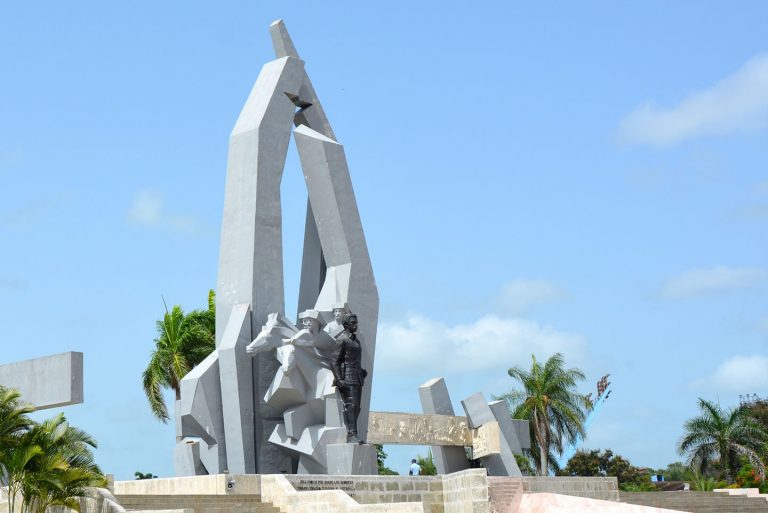
The one dedicated to Ignacio Agramonte also stands out, both for its careful workmanship and for its location in the very heart of the historic center.
The care and preservation of these sites is essential for the dissemination of local history and the legacy to new generations of the heroic work of their predecessors, who put the task of preserving the historical memory of Camagüey in the hands of today’s children and the title of Cultural Patrimony of Humanity, which holds a part of the historic center of Camagüey.
Translated by: Aileen Álvarez García