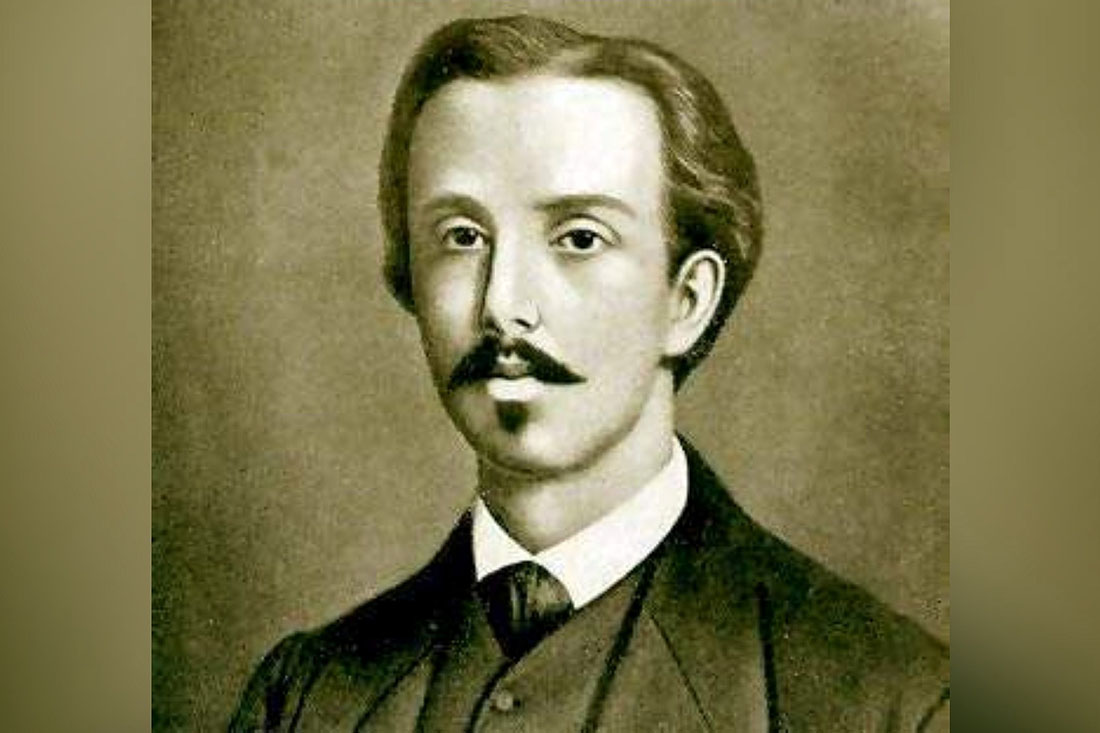
In the letter from Major Agramonte to Colonel Manuel Agramonte Porro and Commander Antonio Rodríguez, he pointed out to them: «Everyone march by mutual agreement on the night of the 19th towards La Vigía neighborhood in Camagüey, with their respective forces and threaten with them the Five o’clock in the morning the population on that side, highlighting a hundred men, who without fail at that time will open fire trying in any case to attract the attention of the enemy by that point.
The instructions for the lightning attack
The rest of the force meanwhile (all mounted) will appear to prepare for an attack and after a quarter of an hour or twenty minutes of skirmishing if the enemy does not move they will fall back some distance to the rear ready to meet the enemy. If it leaves or moves from their barracks, they will successively harass them by dividing their forces and without ceasing they will persecute him with numerous guerrillas and ambushes, rejecting any aggression by La Vigía or by Carrasco, placing for this purpose a hundred men under the orders of a Captain on this last road».
As can be seen, El Mayor and his officers had meticulously designed the set of combat actions of the attacking forces in order to fulfill the objective of the audacious assault, while preventing the enemy from recovering the tactical initiative and going out to repel the attack from the insurgents. Almost finished the actions, El Mayor, who had entered his hometown through Caridad Square, would write to his beloved Amalia Simoni to tell her: «On the Santa Cruz Bridge, next to the Sabana de los Marañones, our cavalry defeated the enemy. (…) A kiss to my little boy and you have the eternal love of your Ignacio».
One more triumph for the Revolution
In his letter to the General in Chief of the Liberation Army, Manuel de Quesada Loynaz, Major Agramonte would comment: «(…) At a quarter to 5, the fire of the forces that threatened the city began, having been sustained and prolonged for more than half hour, the one on the right flank of the piece to the East of the pob°. (…) The fright and alarm in the city must have been great-» .
In reality, Major Ignacio Agramonte did not intend to damage or destroy civil, domestic or military buildings located in the urban environment of the city that he loved so much, for having been born in its historic heart. The objective of the surprise attack had been more than fulfilled, to demonstrate to the Spanish military command in Camagüey the power of the Revolution and the ability of the insurgent forces to carry it forward, towards the conquest of full independence and sovereignty.
On the other hand, it served as tactical and operational training for the libertarian forces of Agramonte, and to test loyalty to the superior command of the Republic in Arms. President Carlos Manuel de Céspedes was right in granting absolute command of Camagüey to the Major, just after the Assembly of Guáimaro. Agramonte did well for Cuba in abandoning his chamber seat made up of some “civilists” and even “whimsical”, to go and give everything for a Free Cuba.
Translated by: Aileen Álvarez García