Photography is a phenomenon that since the 1930s has gained in popularity.
Cuba was one of the first nations to enter the world of snapshots. Barely a year after Louis Daguerre presented the Daguerreotype to the French Academy of Sciences in 1839, the first photograph was recorded in the Caribbean nation, when Pedro de Alcántara, son of the Island’s Captain General, captured a view of the Main Square, in Havana.
Little by little, the profession spread throughout the national territory until it became a common practice.
In historical studies, photography has played a determining role, since it has allowed captures of important moments, personalities, costumes, daily practices, among others, to reach our days, which makes it a source of information of great importance for both researchers and for architects and engineers when proposing a restoration project for public spaces and old buildings.
From heritage: photography
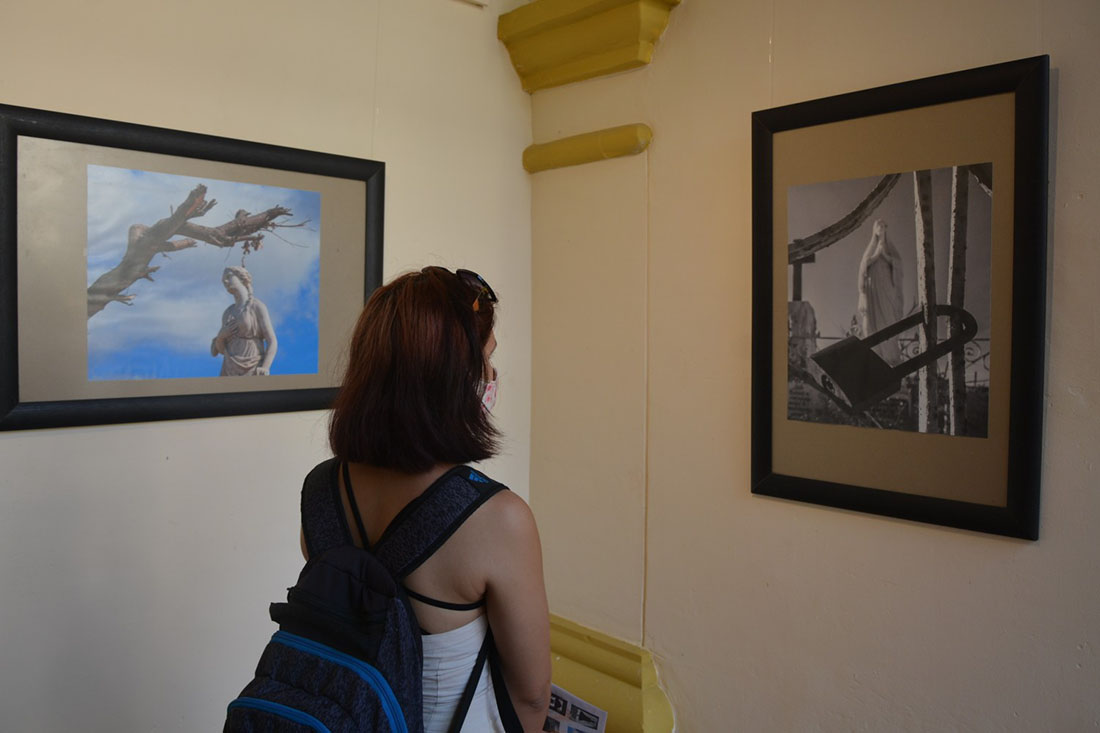
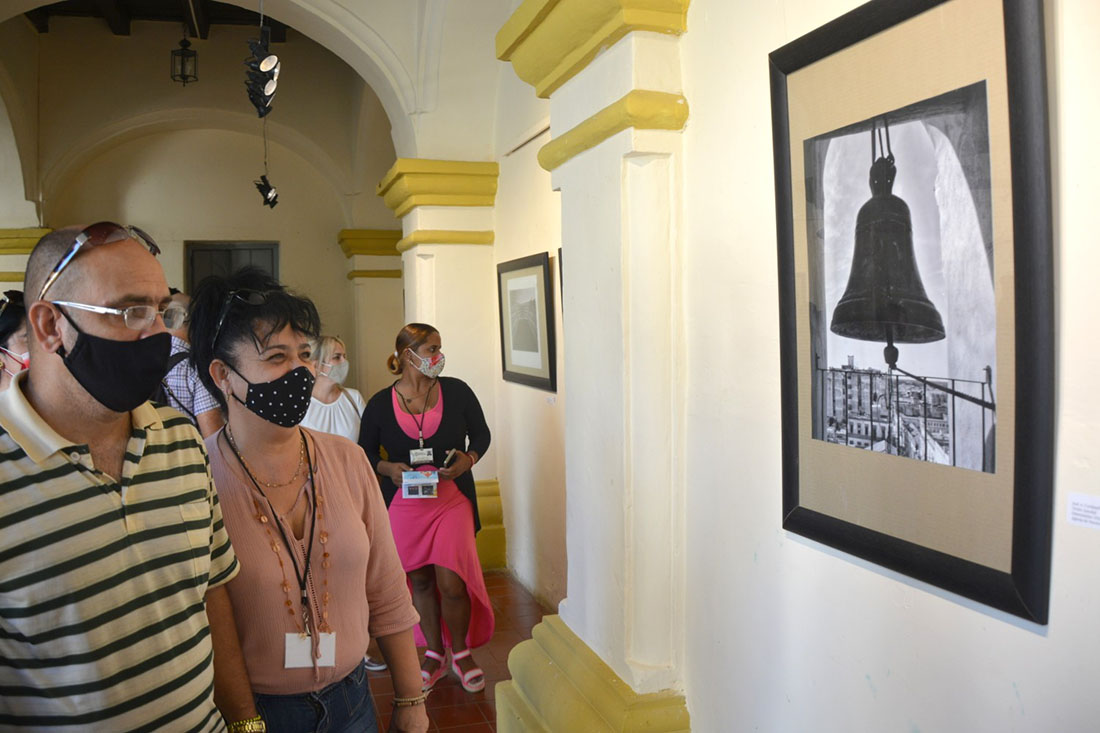
Not in vain the Office of the Historian of Camagüey city has found in both virtual and face-to-face exhibitions a way to spread the values of the city. It has already become customary that at the end of the year, as part of the November Photographic activities, the Fidelio Ponce de León Gallery opens its doors to professional and amateur photographers who, with their creativity and artistic skills, capture different facets of Camagüey’s heritage.
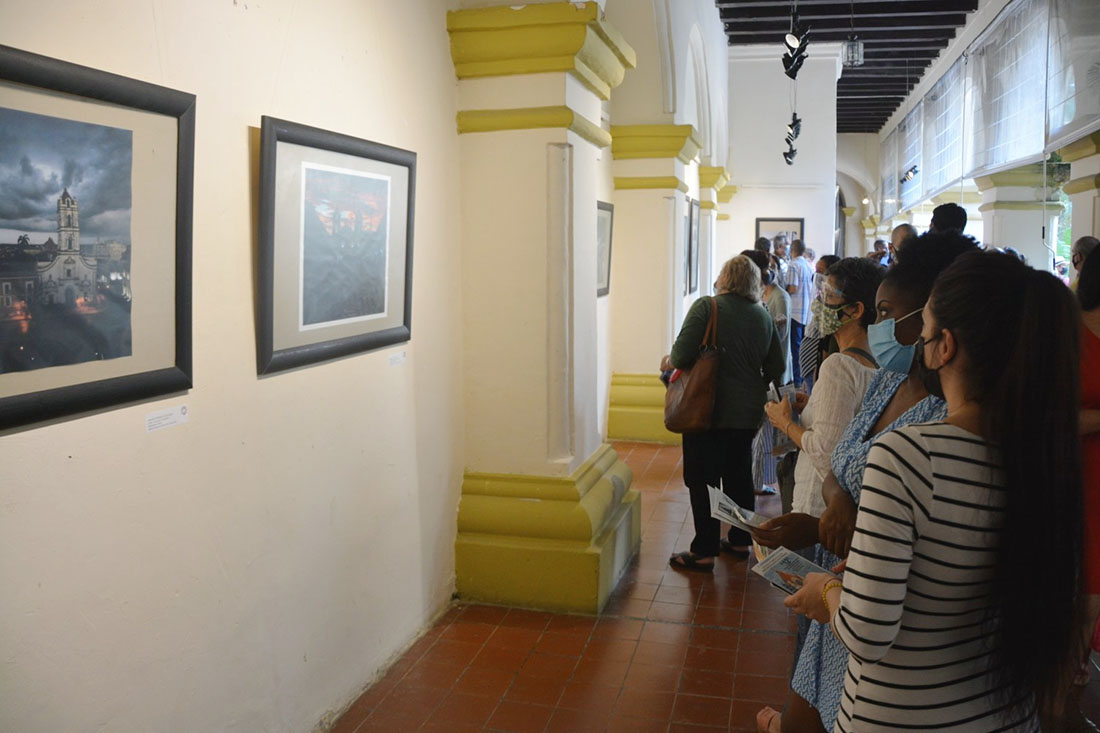
Spreading this practice among the new generations is also a priority for the institution, which is why photographic composition is always one of the topics of several of the summer workshops offered by the cultural institutions attached to the Office of the Historian.
Nowadays, photography has become one of the most common practices and technology means that the use of a professional camera is no longer necessary to capture important moments in the lives of people and their surroundings. Using this tool to document the values that surround us is a way of perpetuating our legacy to the city.
Translated by: Aileen Álvarez García