Eduardo Agramonte Piña: the road to Las Clavellinas Uprising
Several are the connections that link him and unite him to Ignacio Agramonte and Loynaz; however, he is a personality with his own voice, with very clear principles, great intelligence,

Several are the connections that link him and unite him to Ignacio Agramonte and Loynaz; however, he is a personality with his own voice, with very clear principles, great intelligence,
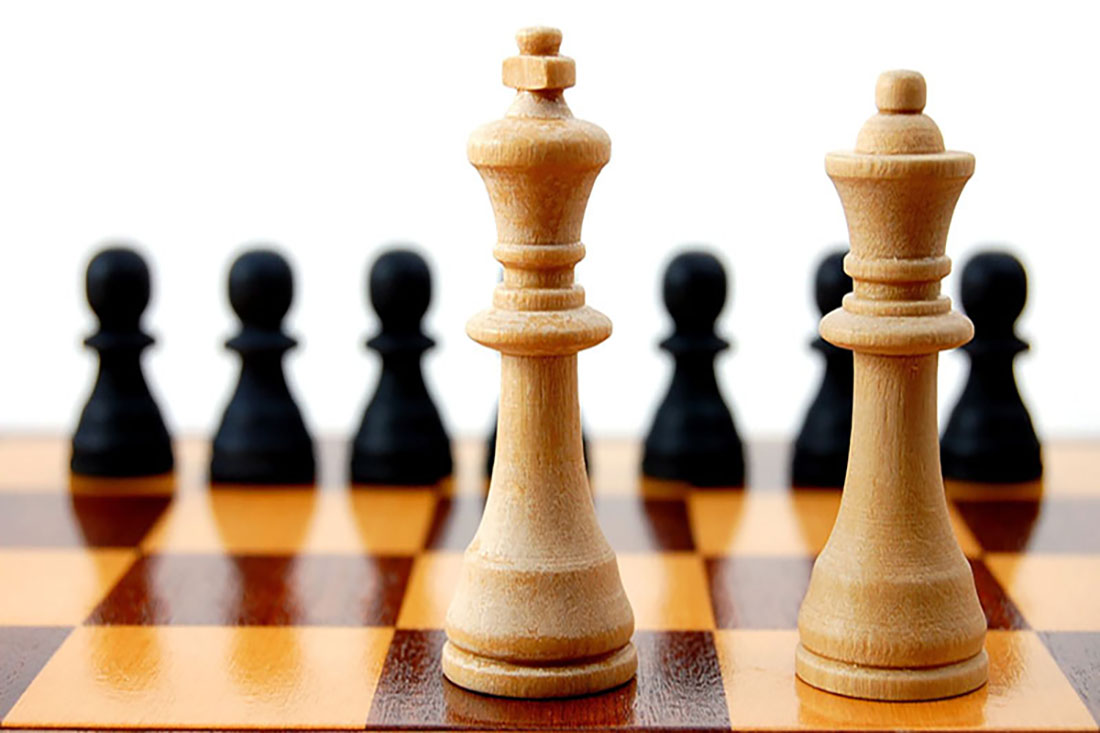

The current achievements of Cuban chess are not the result of luck or a work achieved in no time. To a large extent, they are the fruit of many “grains
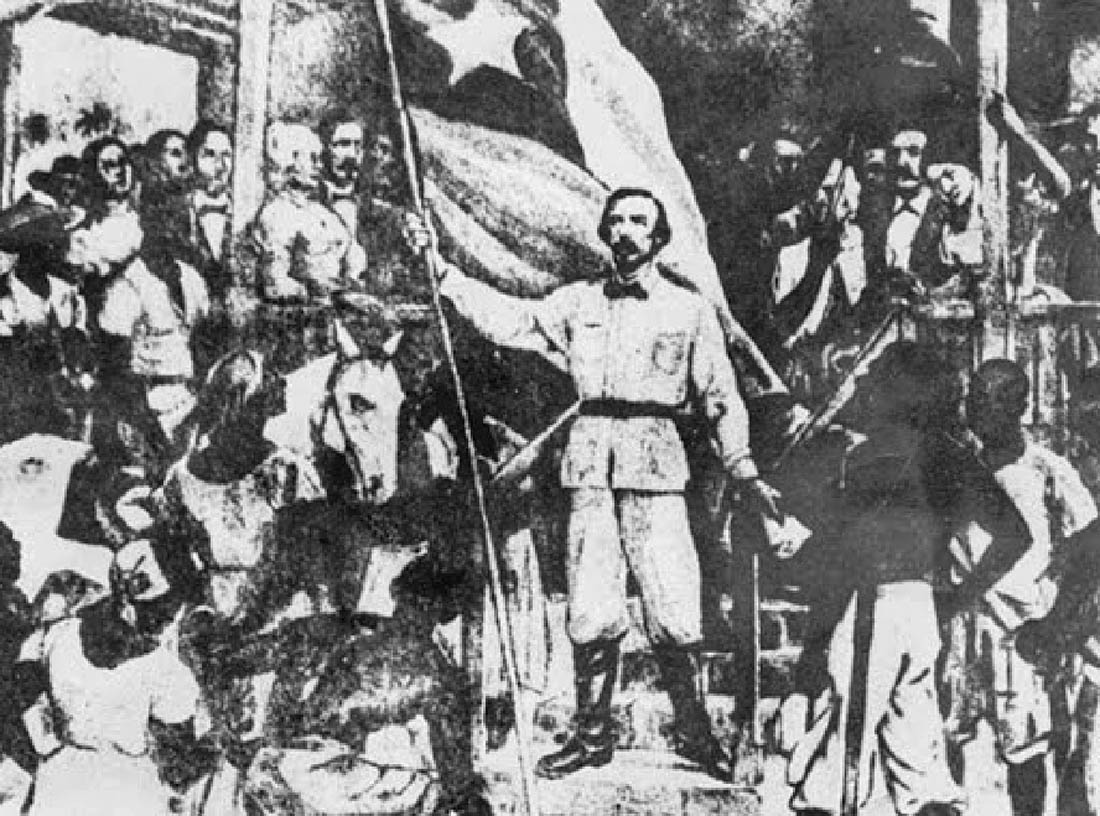

Let’s put aside, for now, the Triangular Chain of Puerto Príncipe in the glorious decade of 1820. To be honest, it was responsible for politically shaking the undemocratic government structures


The Third Corps of the Liberation Army was constituted during the Ten Years’ War and lasted until the end of the 1995 War, having as its base of operations Puerto
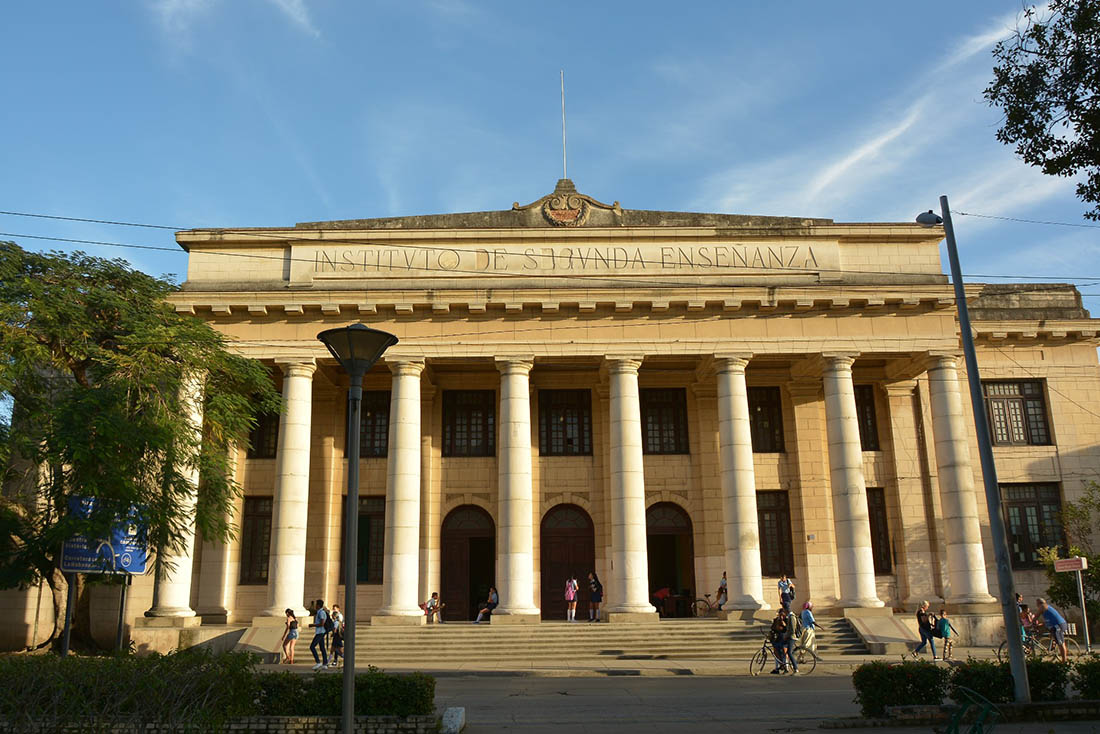
The creation of an Institute of Second Education in Puerto Príncipe was granted by Royal Order on July 15th, 1863, which materialized on June 1st, 1864. The initial teaching program
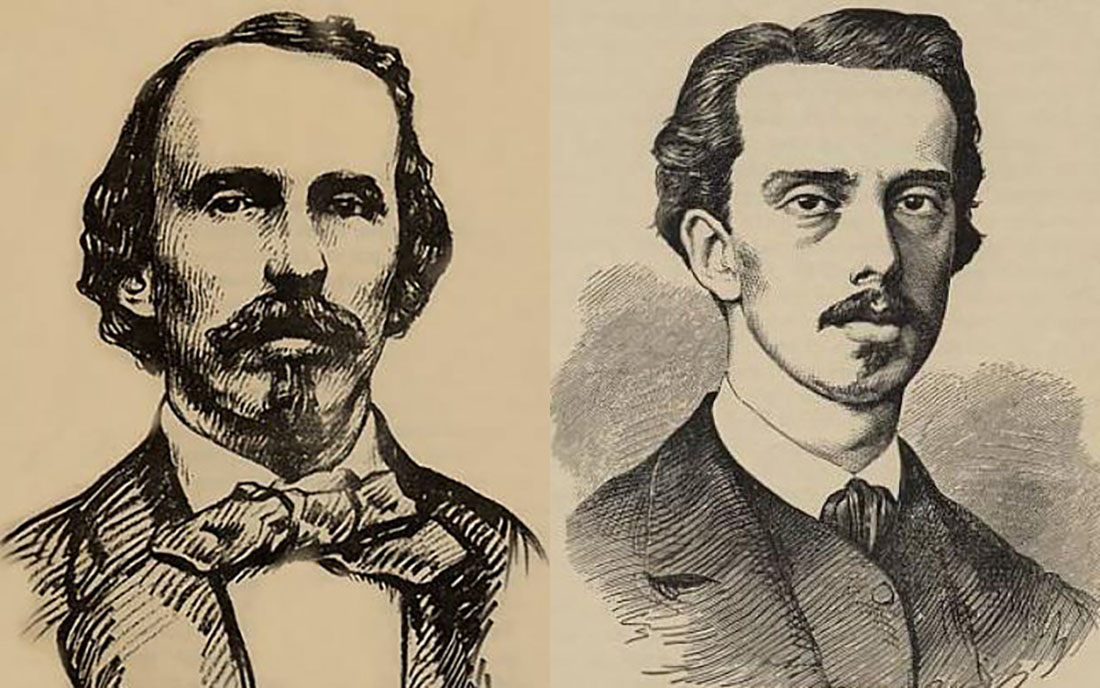
Martí fought to promote the Cuban project of a prosperous, free and united nation. Along this path, he worked incessantly to structure the humanist cultural dimension of the Revolution. Of
There have been many situations in men’s lives that have forced them to make risky decisions. This was the case in Camagüey on October 8th, 1871, when a troop of
The historian Eusebio Leal Spengler came to Camagüey for the first time, in September 1985. It was not necessary to insist the Minister of the FAR and Army General Raúl

Rosa Castellanos Castellanos was born in Bayamo, the former East province. Daughter of slaves from Africa, personally suffer the ignominy of oppression. Consequently, she had knowledge of the insides of

The historical region of Puerto Príncipe long before the arrival of its first settlers, who we certainly call our aborigines, not “Indians”, accumulates a rich and deep history. On the

On February 24th, 1895, the War for Independence restarted. From the beginning of the war and in accordance with the tradition born in Guáimaro, there was a consensus that it
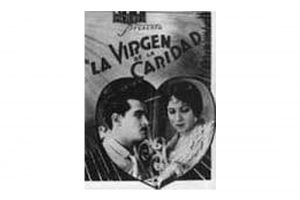
The debut of Camagüey city on the big screen is located in the first decade of the 20th century. This fact is marked by the arrival of Enrique Díaz Quesada
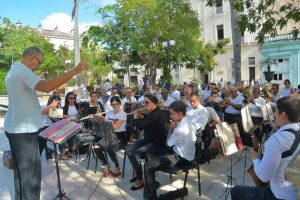
The first references to marching bands are incredibly old: in the Old Testament there are musical bands of the Hebrew people. From the beginning they were closely linked to combat

On October 6th, 1814, the bureaucratic and servile city council of the town of Puerto Príncipe, current city of Camagüey, met in the old building on the corner of the
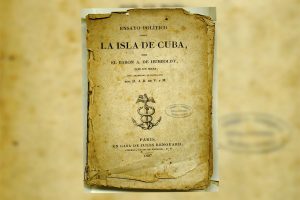
The need to deepen and update the studies that had been done on the island, generated the publication of several texts not only focused in geography, but also in the
Chinese to the attack Tired of beatings, strenuous work in the fields, and of verbal abuse and moral humiliation, the Chinese were able to rebel against the ignominious slave system
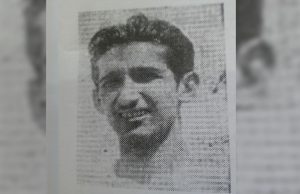

In the history of Cuba there are important moments that invite us to delve into events and figures not only national. The Revolution of 1930, defined by popular participation, various
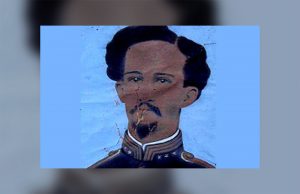
Ángel del Castillo Agramonte, is a patriot from Camagüey born on August 14th, 1934, in the bosom of one of the wealthiest families in the territory. He was the son
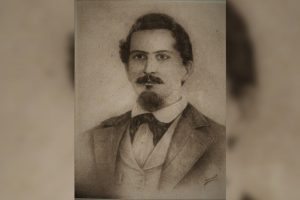
Miguel Rivas Agüero careful of history Historiography cast a skeptical look at Joaquín Jacinto de Agüero y Agüero, who took up arms to fight for the freedom of Cuba, on

On the fifth day of August 1942, the historian Gustavo Adolfo Sed Nieves was born in Camagüey, who would die in February 2002. Our historian of the city was a
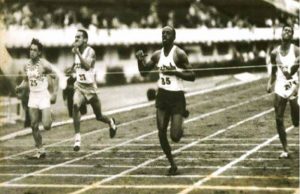
The breath held before the shot, the placement of the feet on the starting block according to the height of the sprinter, the concentration to start on time and not

The Cuban labor movement to date had made important progress, in addition to the fact that within it the tendencies were diverse: anarchists, reformists, socialists of different nuaces, alike were
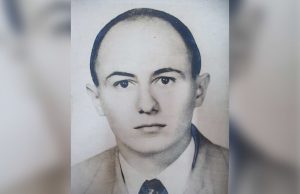
Rafael Guerra Vives was part of a young generation, in terms of concept, which understood and assumed his role in history, from the leading role and responsibility that characterized it.
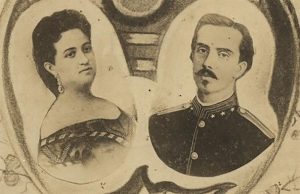
Havana, May 8th, 1867 “… I want for you, as well as for myself, a supreme happiness that the imagination presents to me; something far superior to everything that is

Vélez was born in 1869, at the height of the struggles for Cuban independence. His father Vicente Vélez Piloña, a mambí, was married to Luisa Vázquez, both from Puerto Príncipe.
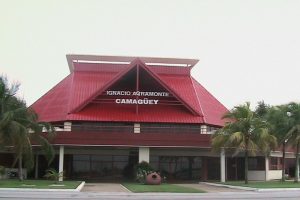
It was one of the first three airports created in Cuba, around the early date of 1928, in the words of its current director Leudes Escobar Pino; notwithstanding that in
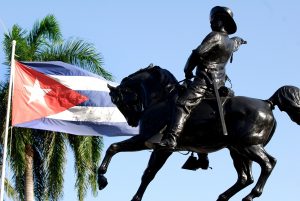
If in the East the Bayamés leader who led the outbreak on October 10th, 1868, had taken the initiative to attack Bayamo city, why wouldn’t the people of Camagüey carry
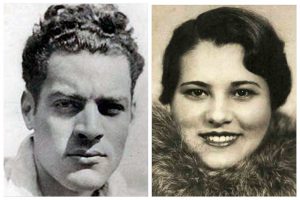
During the 1920’s, the University of Havana, the law career and political interests managed to join the Olivia Zaldívar from Camagüey and the eternal young Julio Antonio Mella in holy
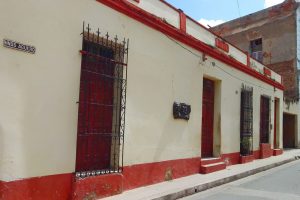
This building dates from the early nineteenth century, but in 1878, a mortgage document divided the house into two houses. This house not only saw the birth of the National
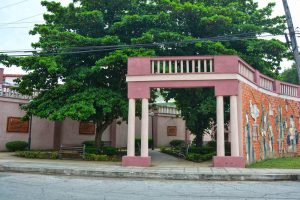
The capture of the so-called Brave Indian, originated one of the best-known legends of Camagüey. Passed from generation to generation it has reached our days with various interpretations. Historians such
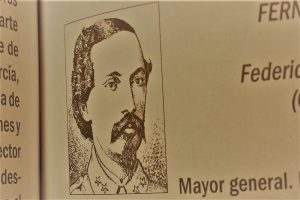
On July 1st, 1871, Federico Fernández-Cavada Howard was shot. The General was trying to leave the north coast of Camagüey to the United States of America to seek support for
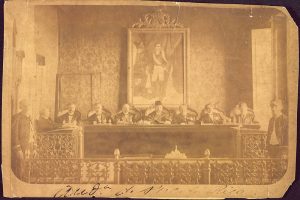
No major political influence of reforms in government structures had the historic region of Puerto Príncipe in the first half of the nineteenth century as the creation of the Royal
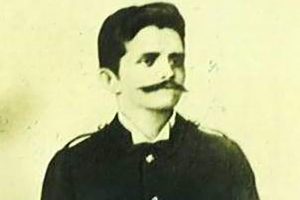

To summarize in a few words the life of a man that patriotism came to him from the cradle and for causes related to the revolution, he was not born
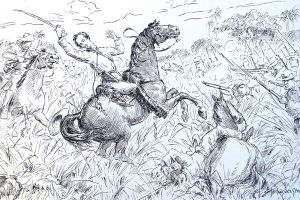

By: Dra. Kezia Zabrina Henry Knight, MSc. José Fernando Crespo Baró y Lic. Amparo Fernández Galera “He lived like that had to die, and he died like that he had
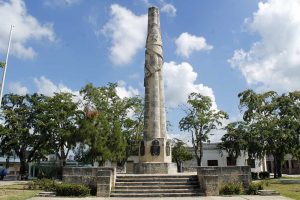
According to the classical historians Plutarch and Gaius Suetonius, we know that one by one the barbarian peoples fell, yielding to the superiority of the legions of Rome that led
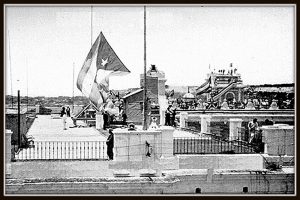
On May 20th, 1902, at noon, the change of powers took place on Cuba. North American General Leonard Wood handed over to President-elect Tomás Estrada Palma the destinies of the
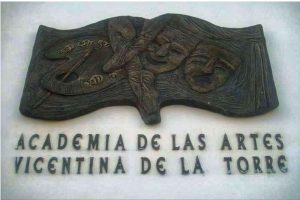
The city of Camagüey, recognized for its great artistic quality, is home to great personalities of Cuban culture, thus demonstrating a high level of development in each of the manifestations
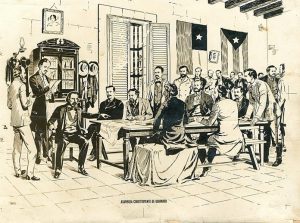
The constitutional milestone April 10th, 1869, is a date dignified by his transcendence in the history of Jurisprudence in Cuba. In the midst of the Ten Years’ War, which began
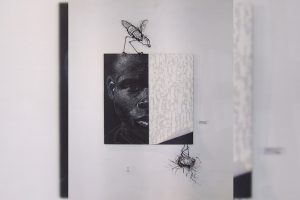
Prologue A study focused on Afro-descendant thinking in Cuba is a debt that has yet to be paid. Social Sciences have devoted not enough time to the epistemology developed by
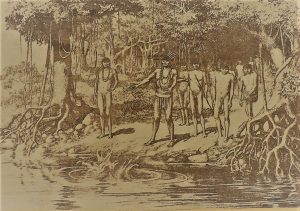
We almost owe to the Spanish Diego Velázquez de Cuéllar one of the first historical mentions to the place-name of the Aruaco ethnolinguistic branch Camagüey, and without before in any
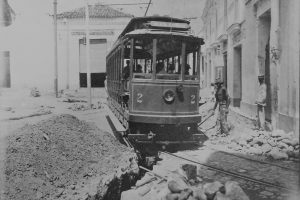
The first tram that traveled our avenues and twisted streets was due to the initiative of an enthusiastic young man born in the bosom of the patriotic Camagüey emigration residing
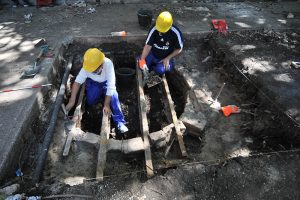
In September 2020, an archaeological excavation project began in the old Camagüey Prison, located on Francisquito Street # 301. The work is carried out by the Archeology group of the
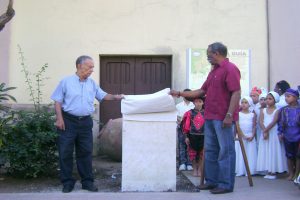
“From Aponte, who in 1812 sounded with the freedom of blacks and the extinction of slavery, to Martí, who forged our second, our penultimate war of independence, there was no
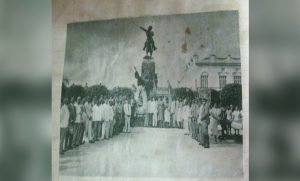
By: Dra.C. Kezia Zabrina Henry Knight In 1899, in the middle of the North American occupation, a group of black and mestizo citizens of Camagüey decided to honor Major General
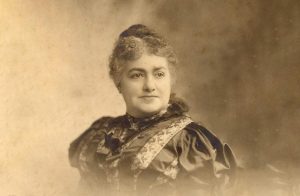
Educated, beautiful woman from Camagüey, with big black eyes like thick and soft hair, and with a strong gaze, like her character; that was Ana de Quesada and Loynaz, the

On December 7th, 1989, 31 years ago, the Cuban people, together with their mothers, fathers, children and wives, with the shared pain, bid farewell the children who offered their lives

124 years ago, on December 7th, it was a quiet day at the camp of the palmar de San Pedro, Major General Antonio Maceo issued orders to the officers of
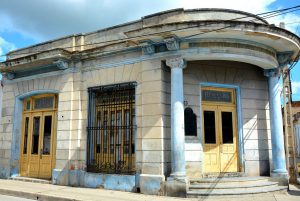
On the corner formed by the streets Santa Rosa and Francisquito, popularly known by the people of Camagüey, nowadays Florentino Romero and Dr. José Rodríguez # 120, is the property
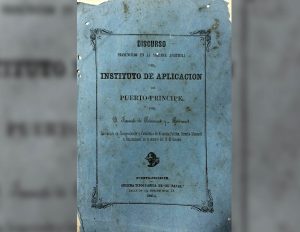
From the first five years of the seventeenth century, the creoles from Camaguey would seek to break the colonial commercial and administrative siege, which barely allowed Havana-Cádiz traffic, and to

From any of the streets of the capital’s historic center he used to be called, either Eusebio, or Leal, the invocation of the first or last name of the main