Museums are the soul of a society and its history; because the objects that are treasured there, tell their future, link the past with the present.
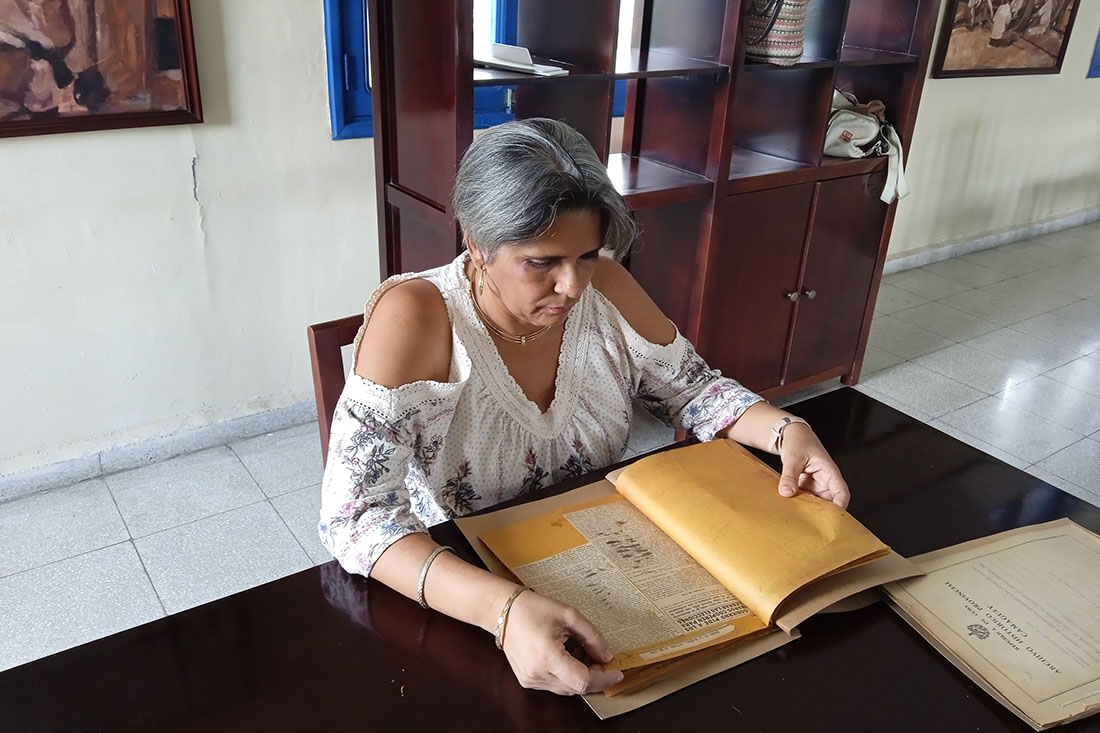
This is what the historian Bárbara Oliva García told us, who has dedicated a lot to the preservation of museums. Of her 33 years of work, she has a lot to show. Whether it is the one of the railway family or the Ignacio Agramonte, any museum requires studies and knowledge; it turns out magical.
That is why we met in a place that can be described as his masterpiece: The Camagüey Railway Museum, to get closer from the inside to everything that allows us to enjoy such a majestic project.
Baby
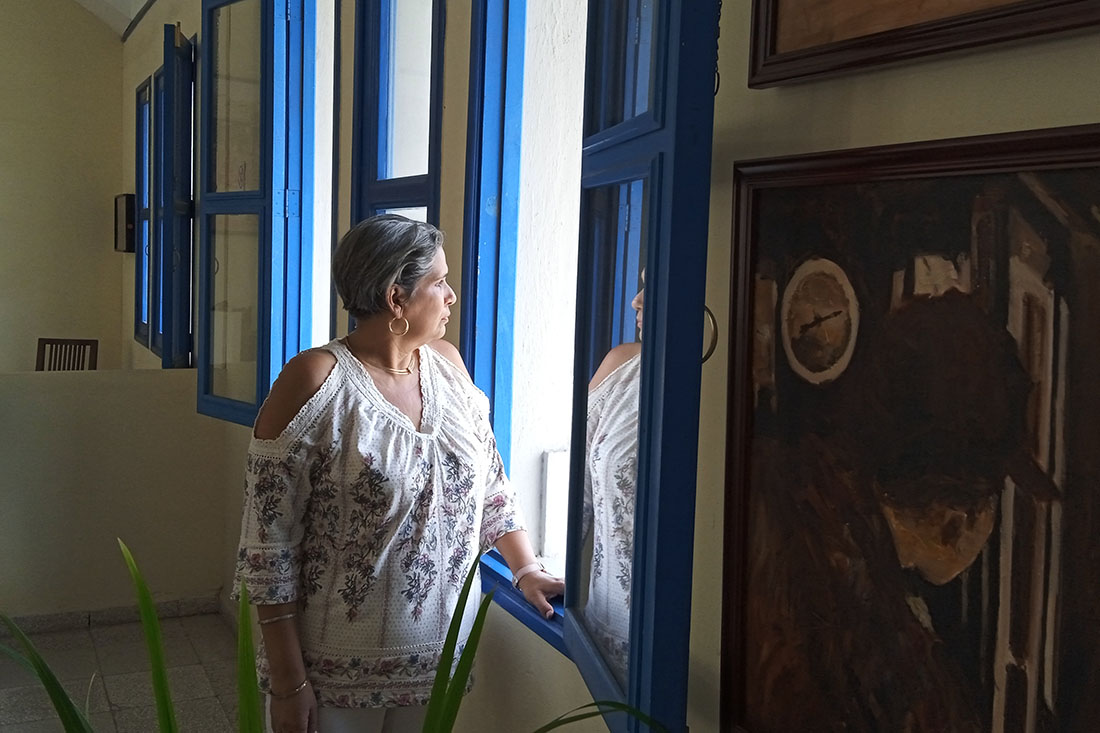
This is what all of us who have ever needed her knowledge and enthusiasm, to learn about a particular topic call her; because she, above all, defines herself as a historian. She regrets that there is no university degree for Museology, a specialty such as conservation and museography, and that, like the rest, pays tribute to a common good: rebuilding a history with objects, images and personalities.
Trying to summarize her beginnings, we return to the History student who did an internship at the Santiago de Cuba museum, where she had in her hands the first pieces of high sentimental and cultural value; although she confesses that her curiosity for museums came from childhood.
She then came to the Ignacio Agramonte Provincial Museum, where she spent 22 years learning from her predecessors. She feels lucky for the possibility of having approached two of the most beautiful collections of that institution, that of Historical Objects and that of Cuban Art.
Her museum was her great school from practice. There she learned how to curate exhibitions, how to restore pieces -not only for museums, but also those from family thesauri- and, above all, to look for initiatives to communicate and disseminate heritage, a necessary challenge to attract new audiences.
The teacher
Another way to contribute to the health of museums is with the training of its staff. For this reason, Baby is a professor of the Heritage Conservation career -at the University of Camagüey- which has as its headquarters the San Gerónimo School in the capital.
From the classrooms, she infects the students with her definition of museums. For her they are not the “storehouse of ancient objects” that many believe, but the guardians of the collective memory of the nation.
Her masterpiece
Her passion and pride can be seen in her eyes when her pupils walk through that great work that we can enjoy today, the Railway Museum.
Baby describes it as a great opportunity, since she was able to contribute to her conception. It is a contemporary look at technology based on heritage, and the most beautiful thing she found on this path was the approach to the railroad families, which she feels are an indissoluble part of Camagüey’s industrial heritage -from where stories of patriotism were born that contributed to the development of this region.
The birth of the municipal museums of Guáimaro, Florida and Najasa also deserve her affection and had her contribution. Today, from the Investigations Subdirectorate of the Office of the Historian of Camagüey city, she continues looking for other ways to tell and bring to the youngest the interest in knowing about the past and our roots.
After a pleasant morning, sharing about works and knowledge that we generally do not appreciate when visiting museum institutions -as the work of conservators and other specialists undoubtedly is- I agree with Baby when she affirms that they are not cold places that keep treasures; museums are living souls that transmit an extraordinary human warmth to the visitor’s skin through her works.
Translated by: Aileen Álvarez García