The “Pedagogical School” of Camagüey
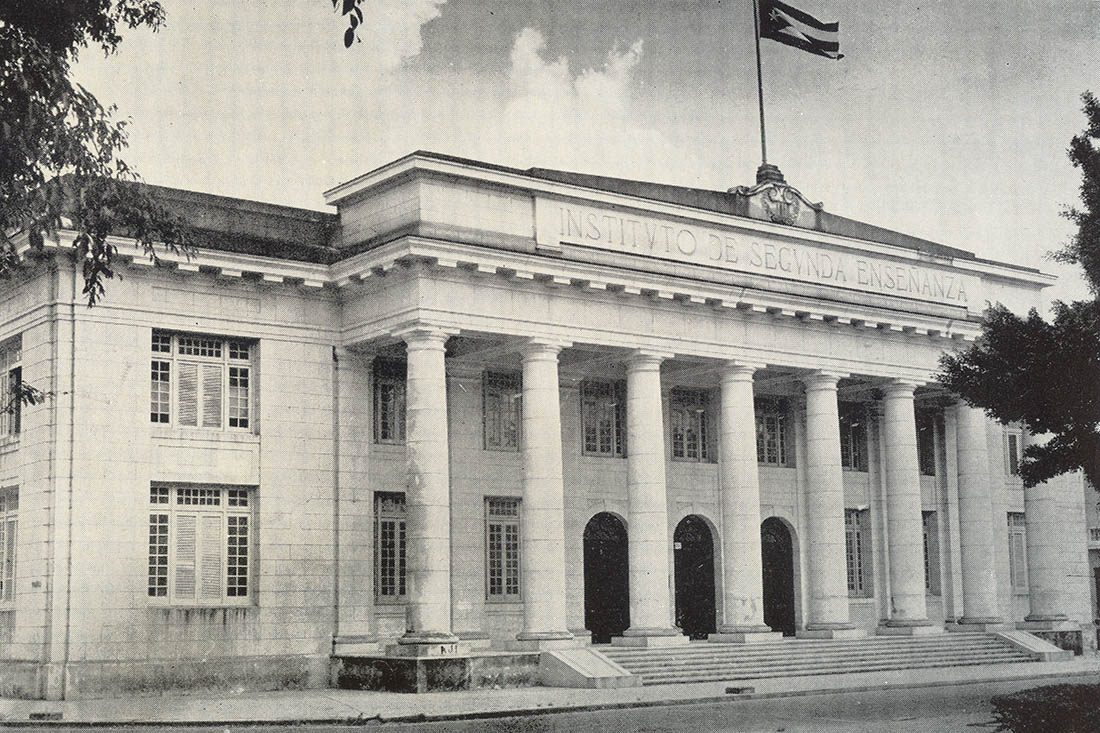
The pedagogical school of a new type Gone is the Institute of Secondary Education of Puerto Príncipe, of 1864. As a result of the urgency and educational needs of the

The pedagogical school of a new type Gone is the Institute of Secondary Education of Puerto Príncipe, of 1864. As a result of the urgency and educational needs of the
Within the Revolution, everything The word Cuba travels the world. Those who are grateful for the infinite labor of love that is the Revolution, know the keys to its history

Walking fast in Revolution From Camagüey, Salvador Cisneros Betancourt attended his revolutionary preaching in a secret meeting held in his apartment, in New York, on November 12th, 1882. This appointment
The strategist from the Sierra, from Girón, from Angola… It was one hundred years since the fall in combat of Major Ignacio Agramonte, on May 11th, 1973. In the historic
Starting from Guaimaro… Cuba Libre! On April 11th, 1869, the former Marquis of Santa Lucía, Salvador Cisneros Betancourt, was elected as president of the House of Representatives, a designation that
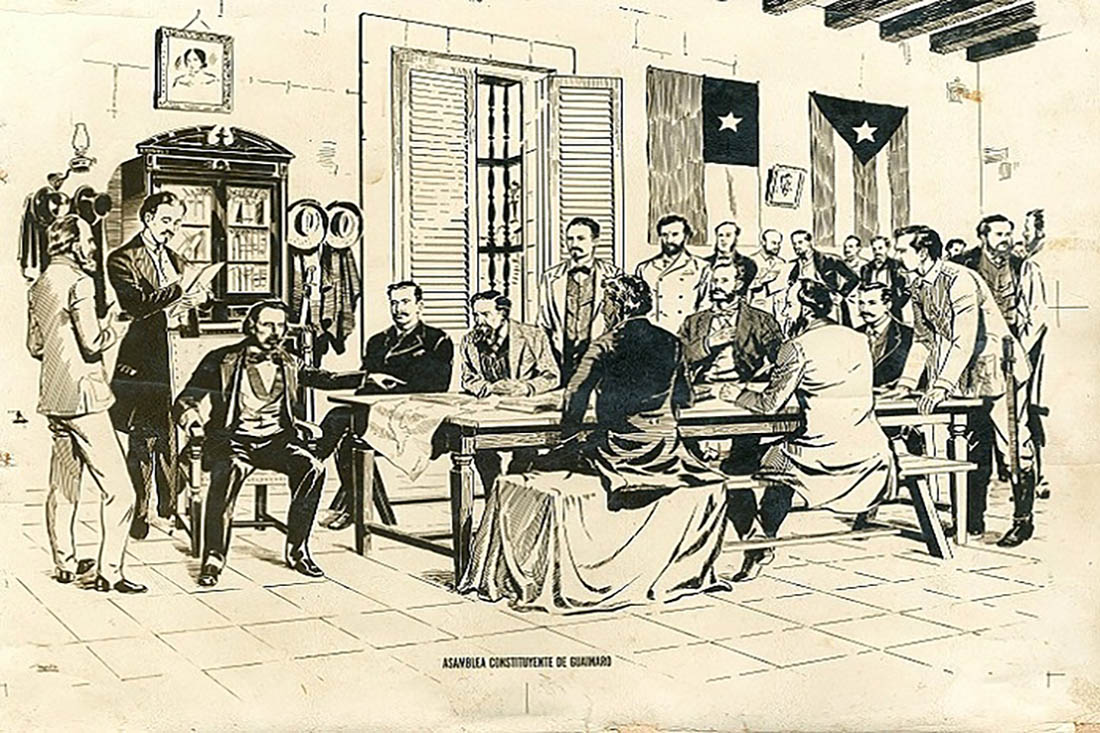
The surprise that Guáimaro gave Spain It has not been specified by the national historiography if the initial surprise of the celebration of the Assembly of patriots that took place

For the forge of the nation Martí stirred up political efforts from outside the Island and called on the old fighters of the glorious epic to encourage them to return
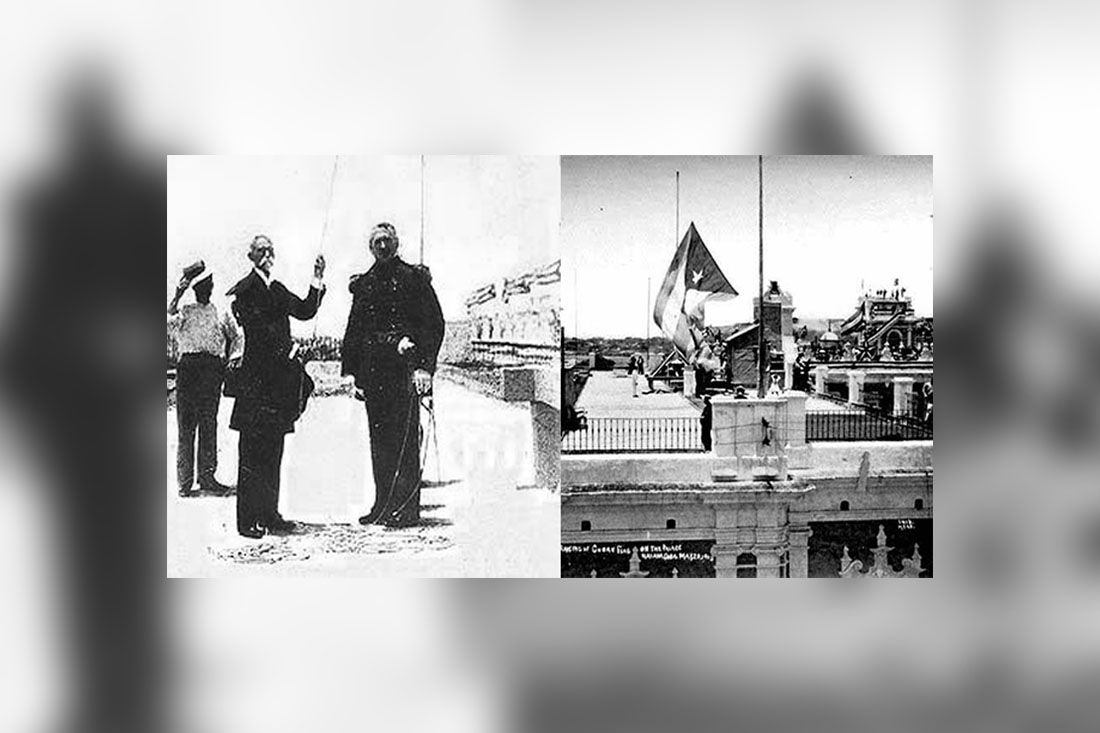
The bravado in those elections The political parties and politicians pushed to win seats and climb to privileged positions in the Government, adjusted to the model of the North. President

From the street of the Accounting Office of Camagüey Eugenio Sánchez y Agramonte (1865 – 1933) was born in the mezzanine house above the hall marked with no. 50 in
First lights of books It is possible to conjecture that the first texts on catechism, rhetoric, plane geometry, astronomy, among other subjects necessary for general knowledge, the illustration of the

Bolivarian Frasquito Agüero While a handful of brave principeños traveled between Colombia and Peru, at the time of meeting El Libertador Simón Bolívar in Venezuela, Frasquito Agüero Velazco from Camagüey
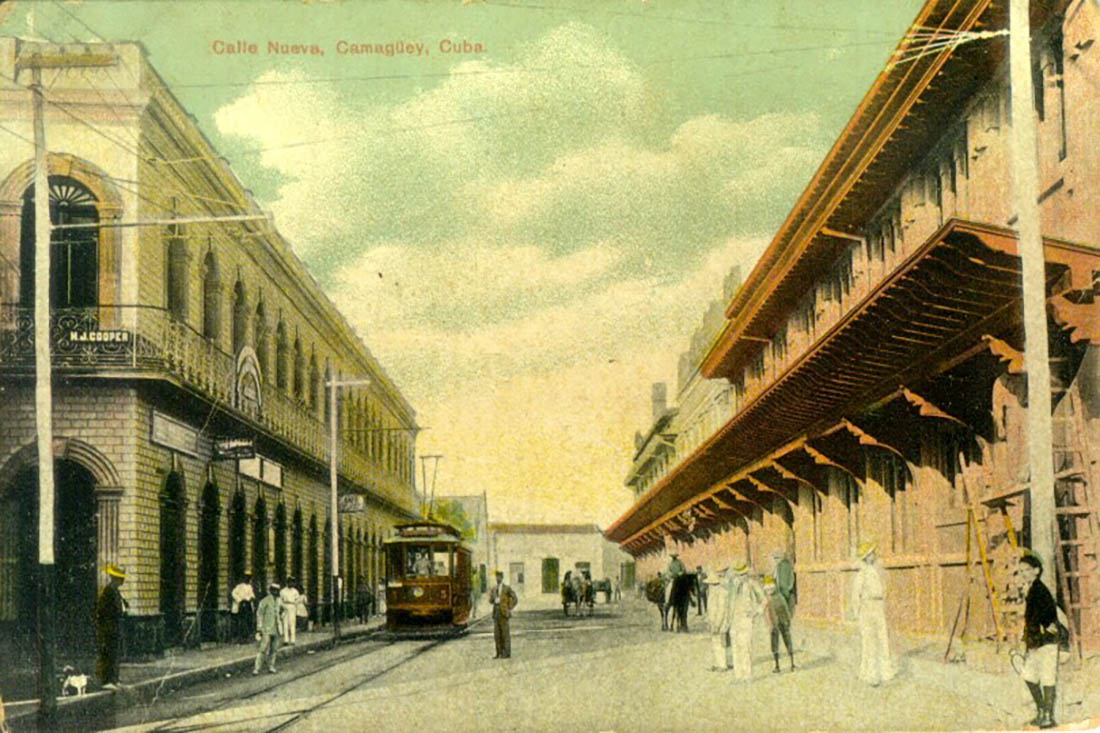
One of the samples that refute the version that Camagüey is a “conservative” province, was the inauguration of the first radio station. An opportunity for the locals to learn about
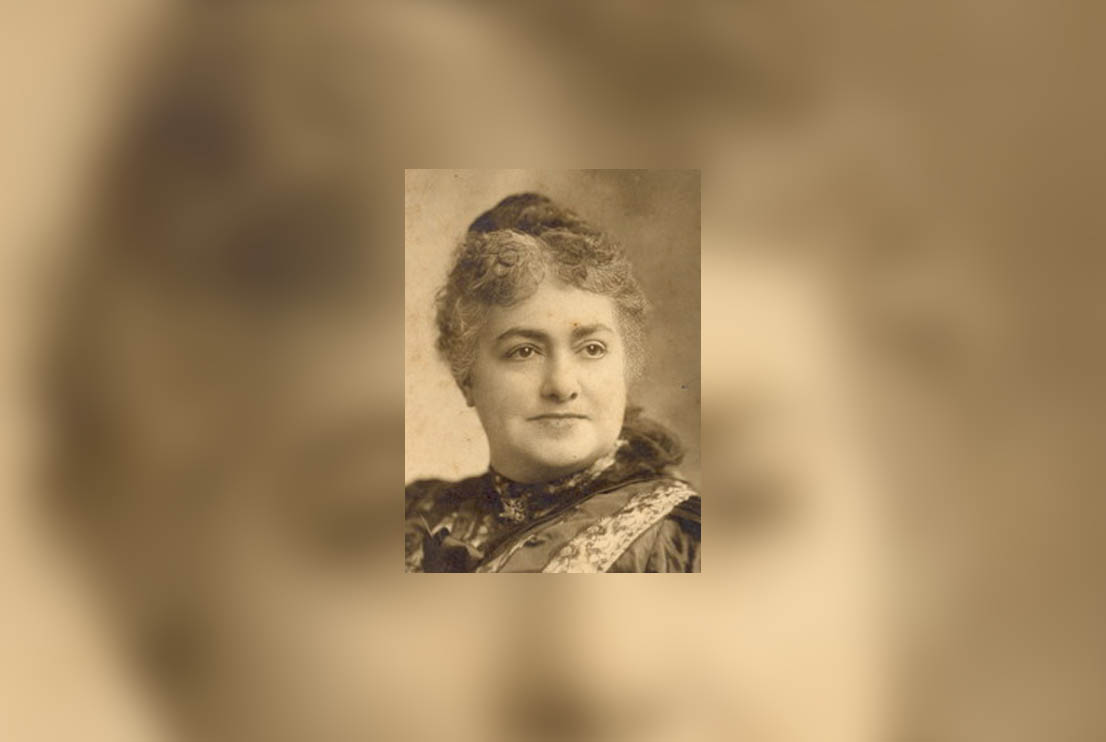
Heiress to the history of struggles There were not a few women from the city of Puerto Príncipe who seemed to follow the patriotic and rebellious tradition of the principeños

The historic honor to Finlay One of the first stays of Fulgencio Batista y Zaldívar in Camagüey city occurred when he was a young man. He had just suffered a
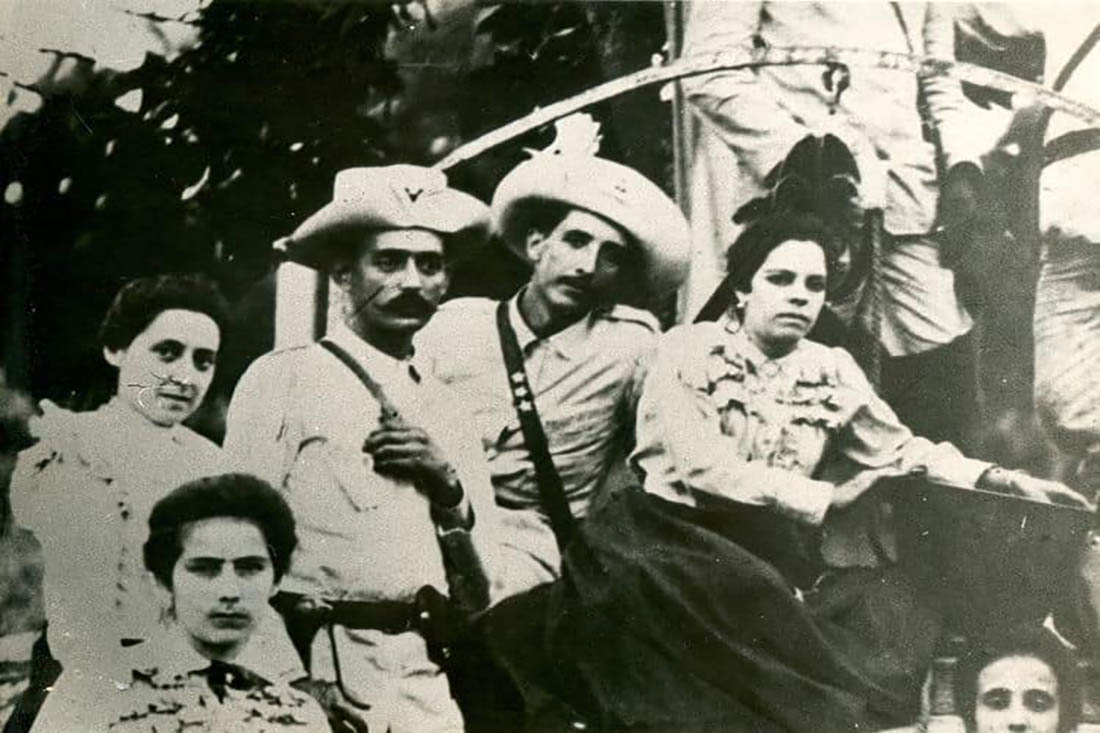
Women in the patriotic vanguard Long-standing in the conspiracy of Rayos y Soles de Bolívar for the independence of the Greater Antilles was the ordinary mayor Lic. Manuel de Jesús
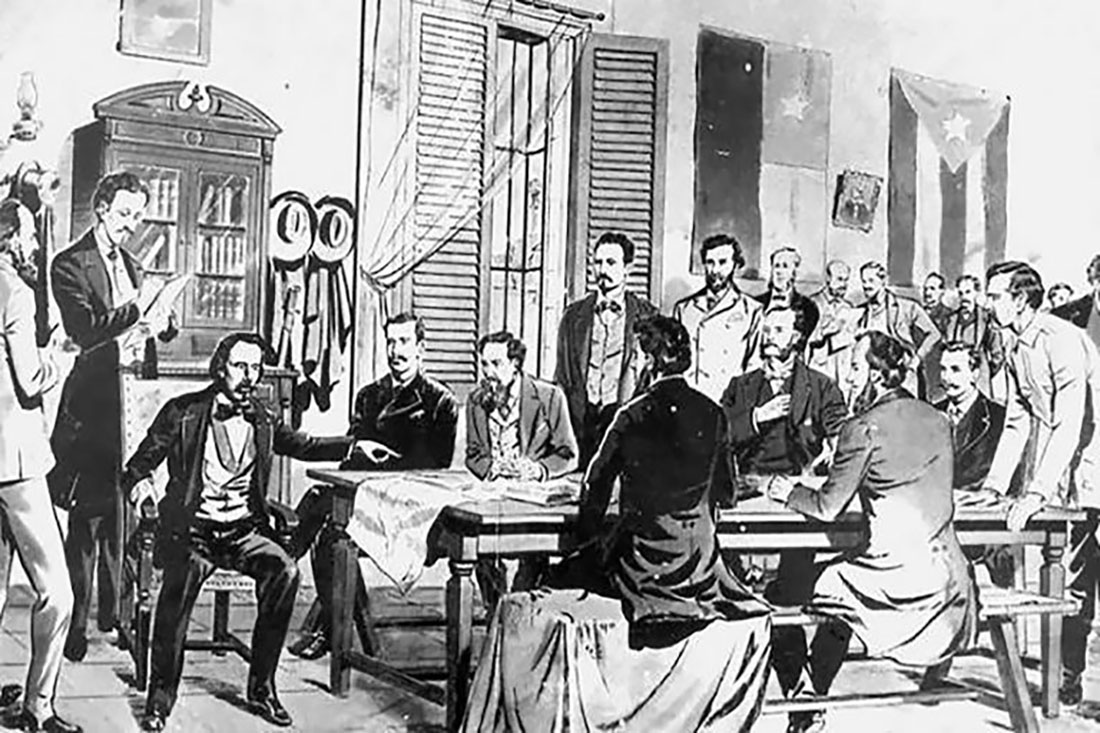
Yaya’s house and history Between October 11th and 12th, 1895, July 2nd, 1896, September 1st to 7th of that year, and November 9th, 1896, in the land that surrounded the
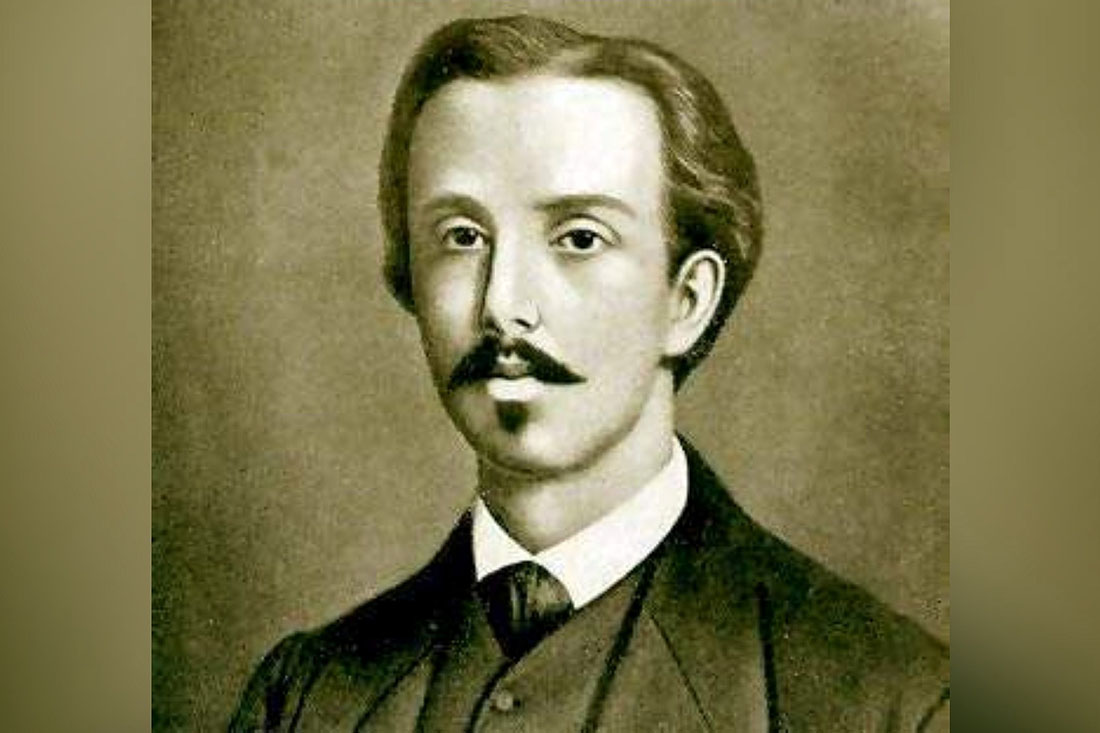
Creole Enlightenment and the New Homeland It was the body of professors who were members of the so-called «Principal Enlightenment», for other Creole, -and this was not of little significance
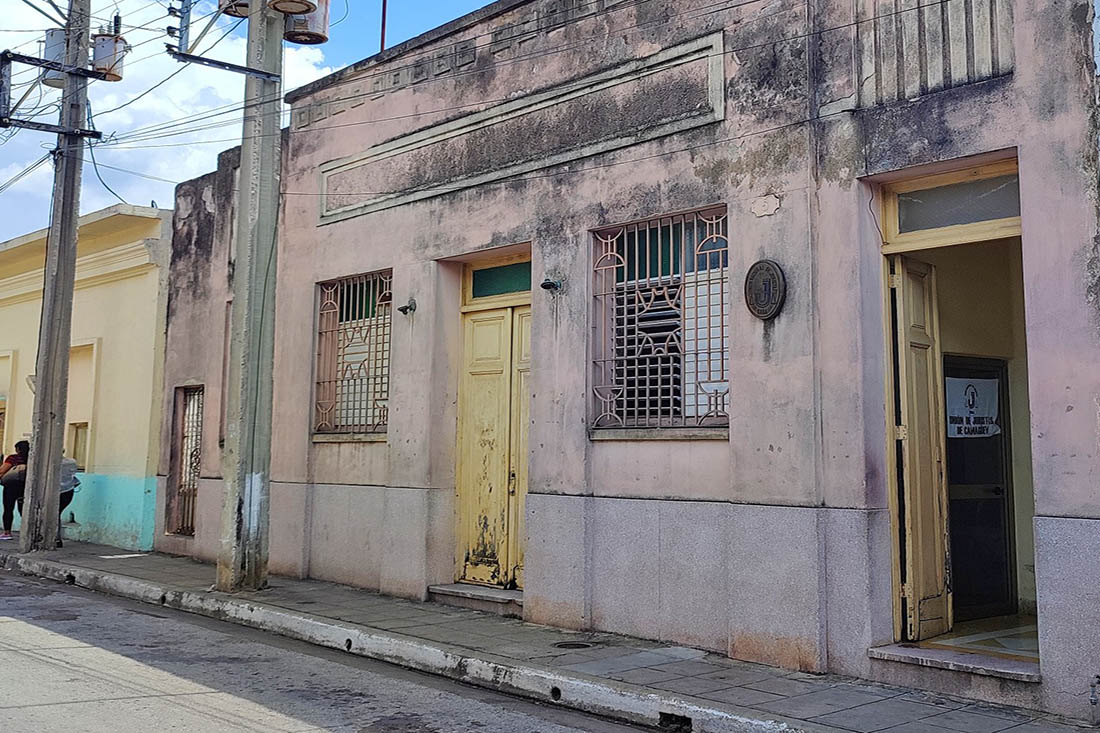
The first of the Chinese associations It would be on September 21st, 1910 that the first of the associations or clubs of Chinese immigrants would be officially constituted in Camagüey
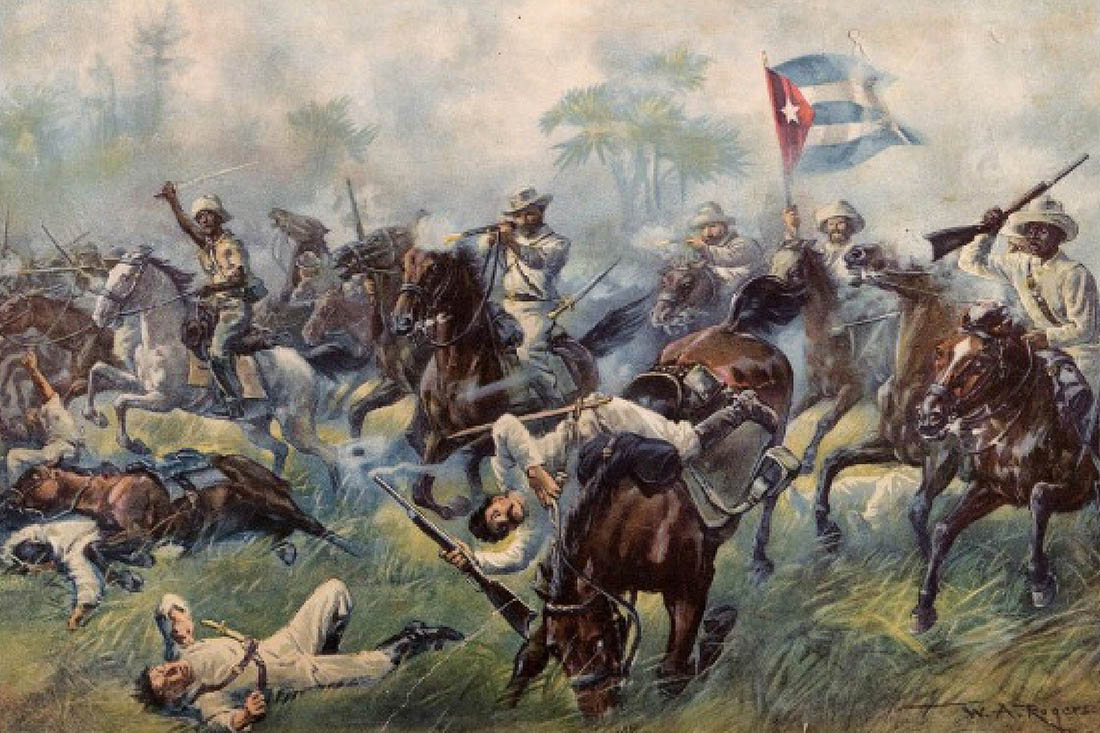
In the letter from Major Agramonte to Colonel Manuel Agramonte Porro and Commander Antonio Rodríguez, he pointed out to them: «Everyone march by mutual agreement on the night of the
The brake on the “Necessary War” Putting ahead enormous material losses, regional devastation in farms and sugar mills, significant decrease in cattle and horses, fatigue and change of mentalities of
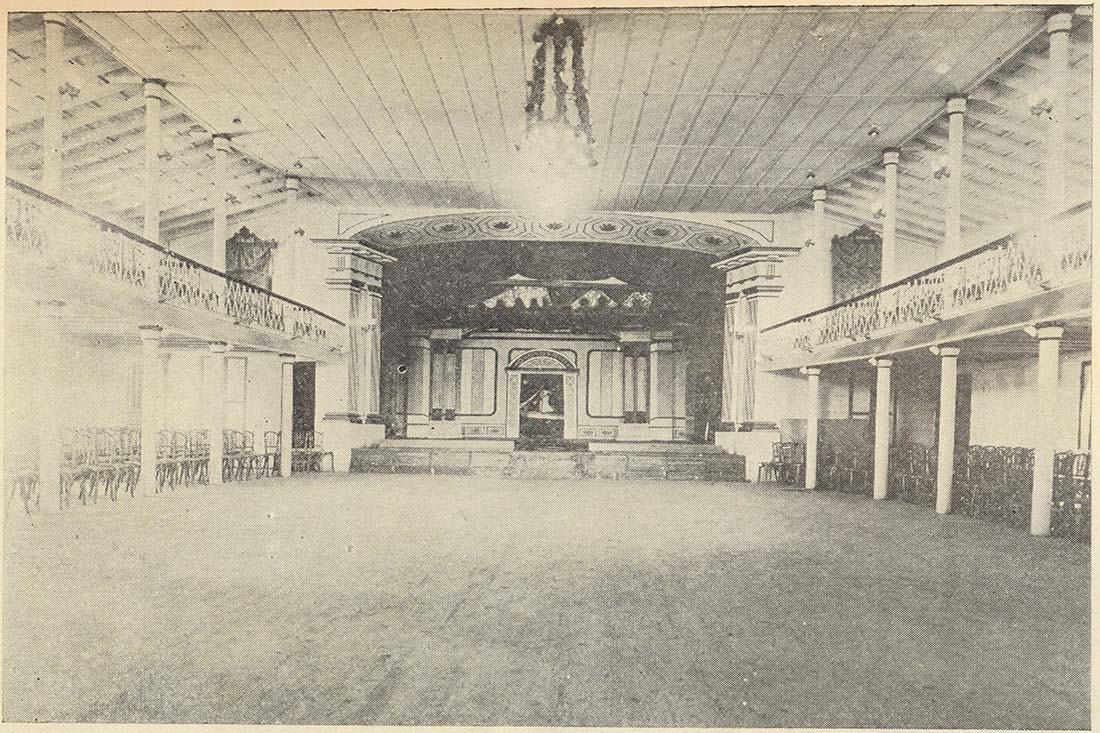
With similar foundational budgets as the “Philharmonic” of Puerto Príncipe, enthusiastic about the cultural advancement of the enlightened Creole sector of the rich livestock region of Cuba, another city enlightened
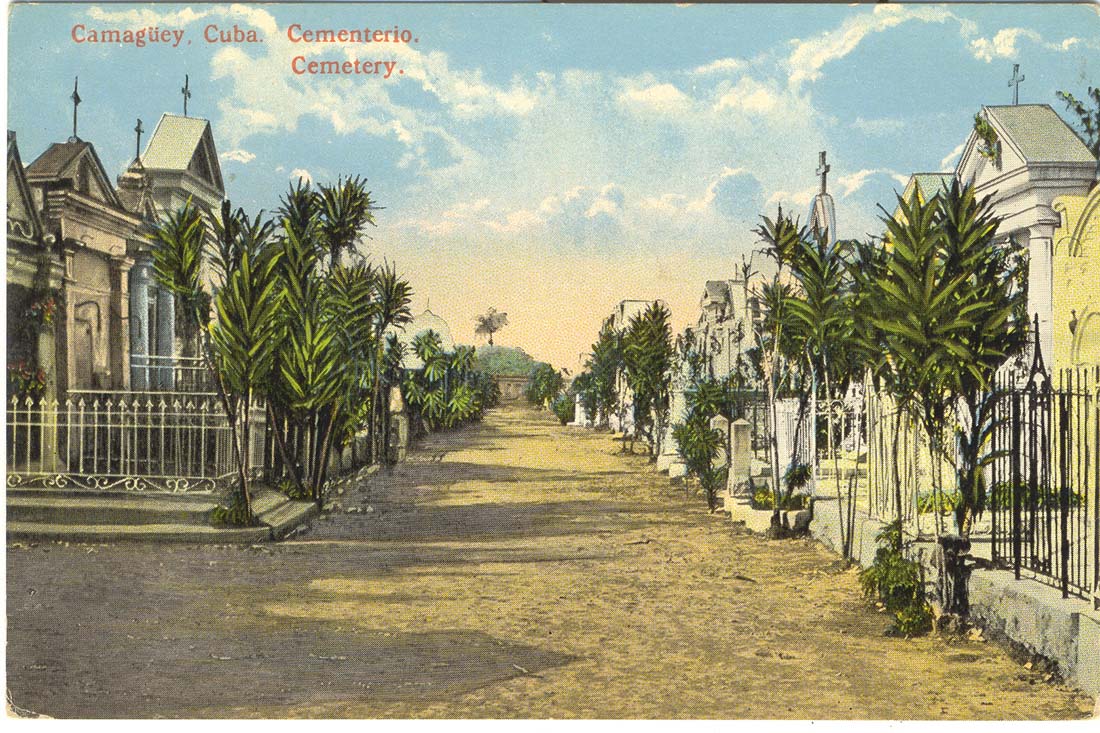
The town of Puerto Príncipe gathered in its urban enclosure a dozen architectural buildings of great caliber built in the 18th century, among which there were almost the same number

After the historic Assembly of Guáimaro, the Spanish military command established new campaign plans with the aim of trying to paralyze the offensive carried out by the forces in Camagüey.
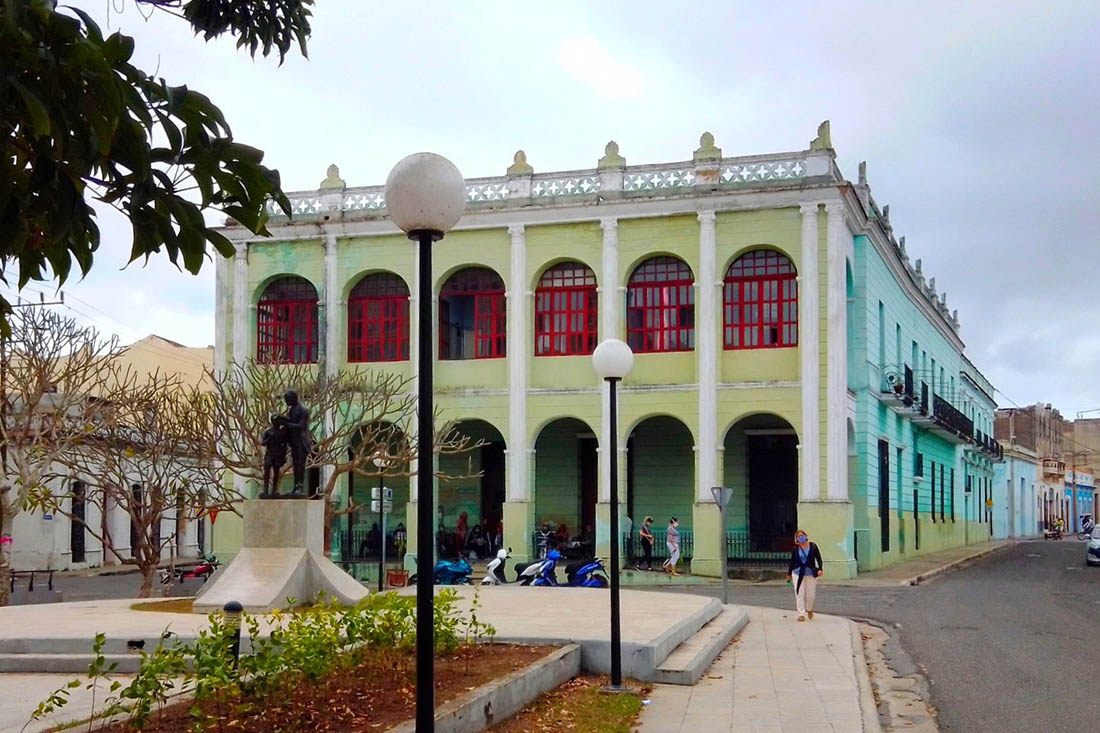
Tomás Pío Betancourt y Sánchez-Pereira was the son of the royal ensign Graciano Betancourt y Agramonte and Micaela Sánchez-Pereira. On December 25th, 1827, the lawyer married María Loreto Agramonte y
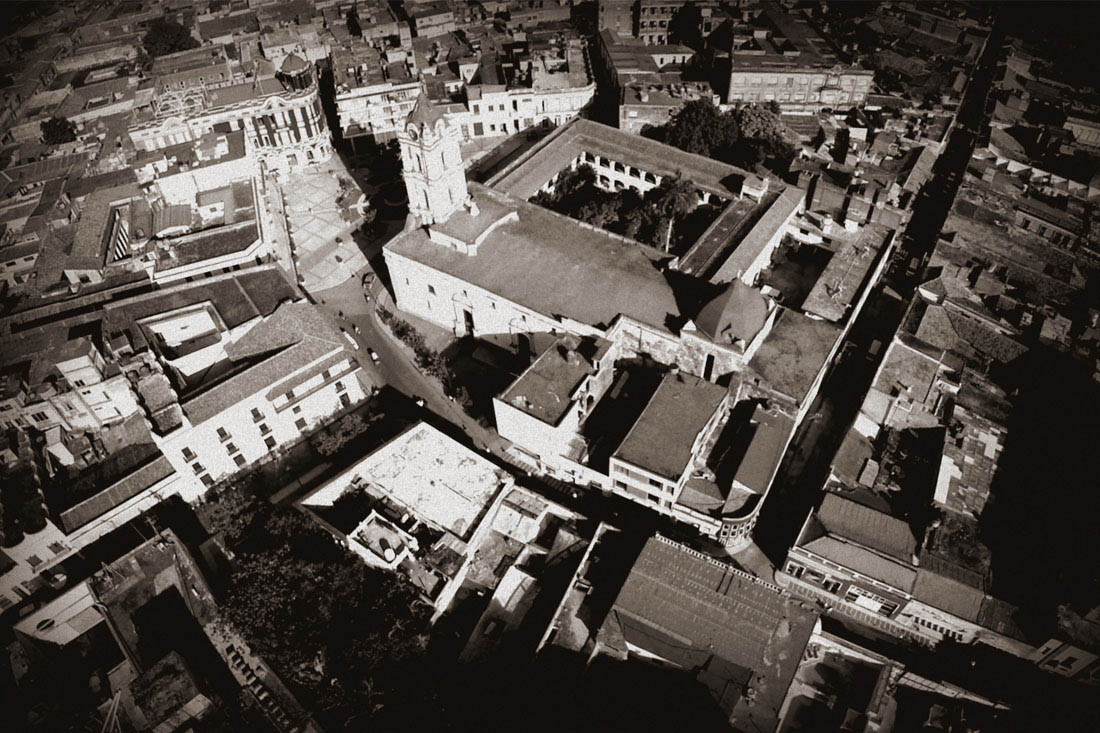
Certainly Camagüey could be the place name heard for the first time by the Spaniards when they entered our region in pursuit of “Indians” from Bayamo, in the year 1512,
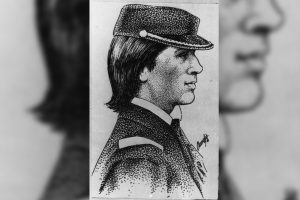
Blond, with silky and curly hair, blue and lively eyes, he had a slim body, and agile gestures, cultured and intelligent, and graceful in dealing with others, friendly and reliable.
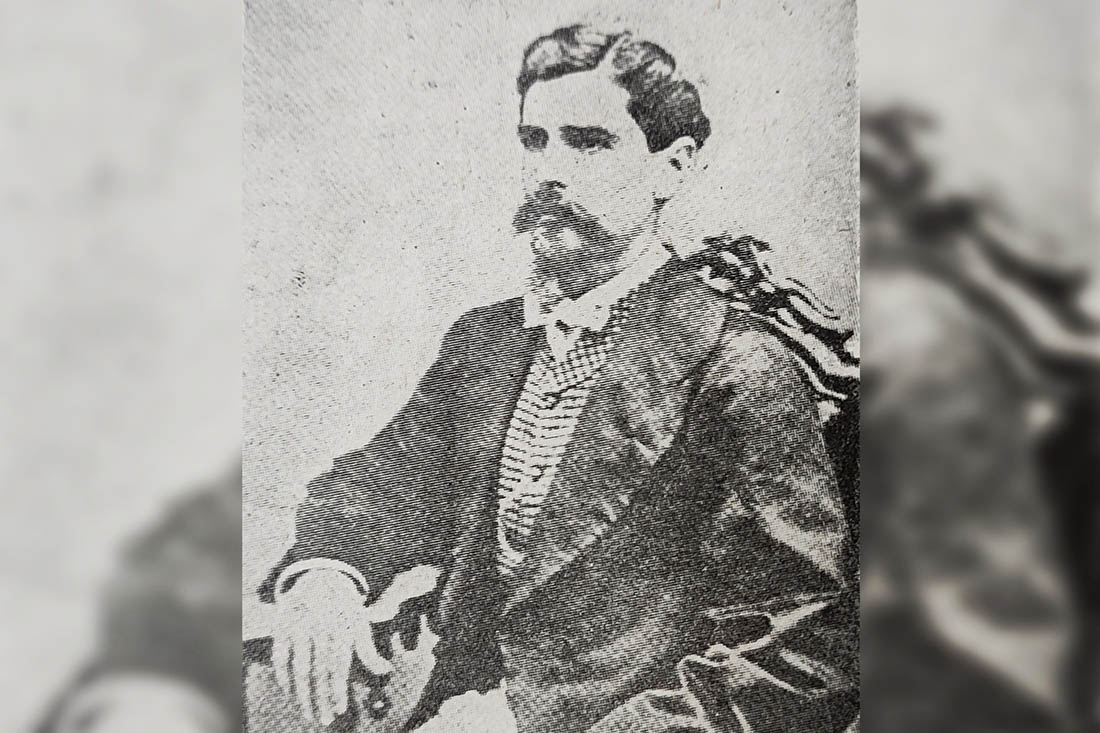
His parents were the intellectual and lawyer Manuel de Jesús Arango y Ramírez, and the no less renowned Ana Isabel Agüero y Perdomo, whose surnames were intertwined by family endogamy
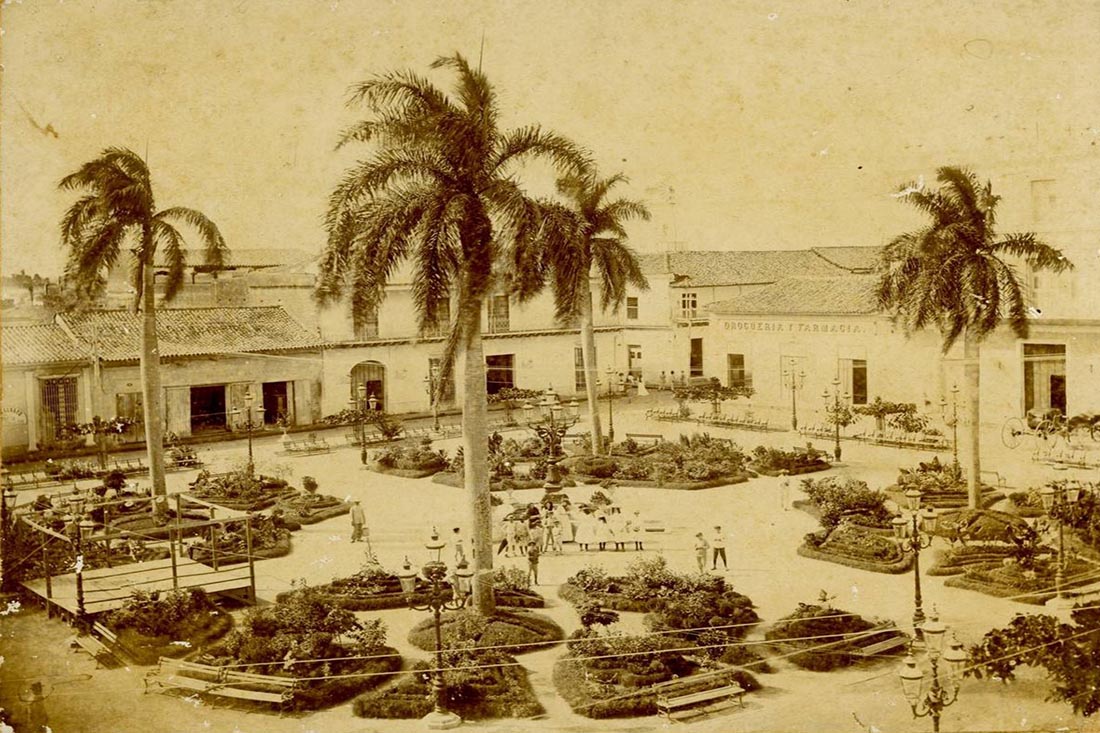
Francisco de Agüero was born in a divided society, in the year 1795, with the punished crime of being a Creole mestizo; moreover, being the son out of wedlock of
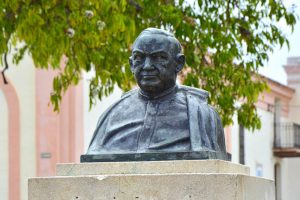
There were several families residing in the city of Puerto Príncipe who interrupted their monotonous tasks in the city to go to the farms for raising and fattening cattle and
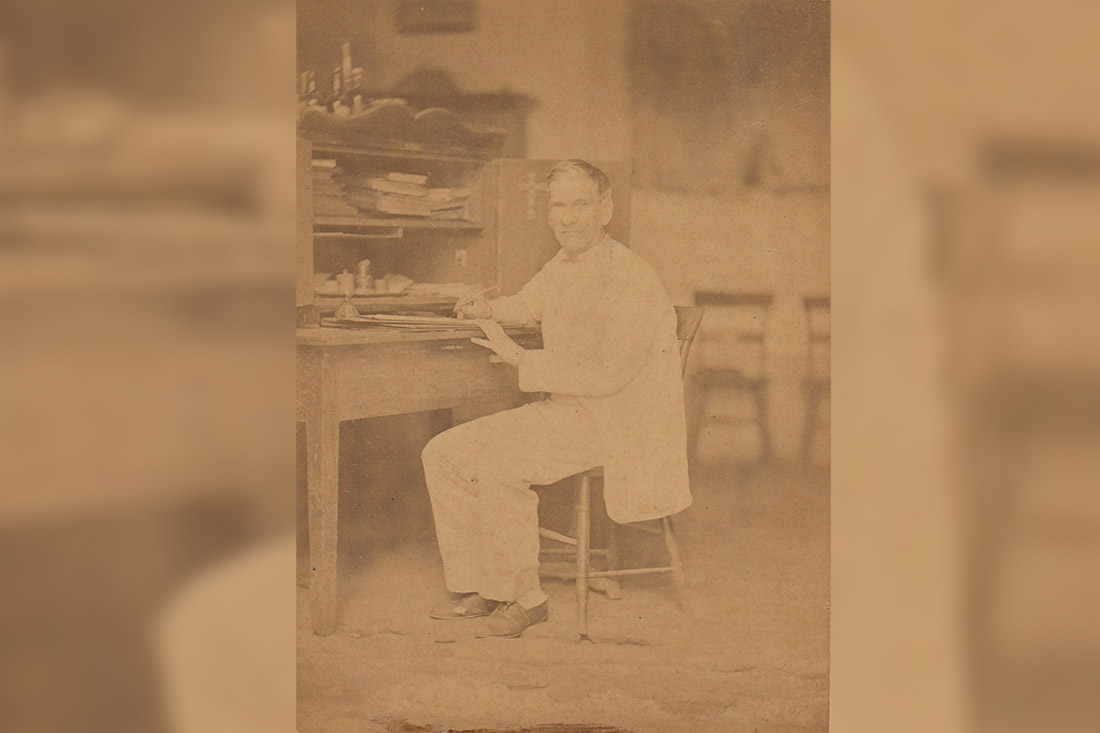
Why would a mortuary obituary published by El Progreso printing house on the day of his death describe Olallo Valdés, from Havana, “Apostle of Charity”? Is it that in colonial
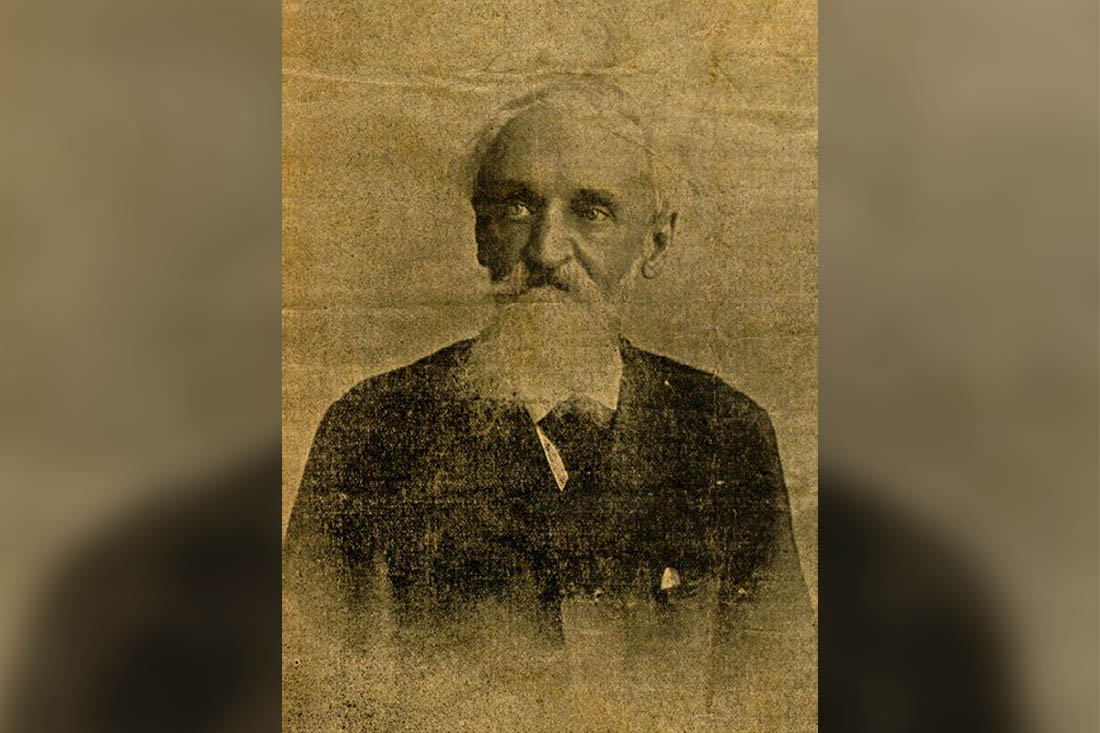
Rather, there was an official rapprochement between Martí and Cisneros, not at all cordially affectionate, however this did not prevent the Master from having in his project of restarting the
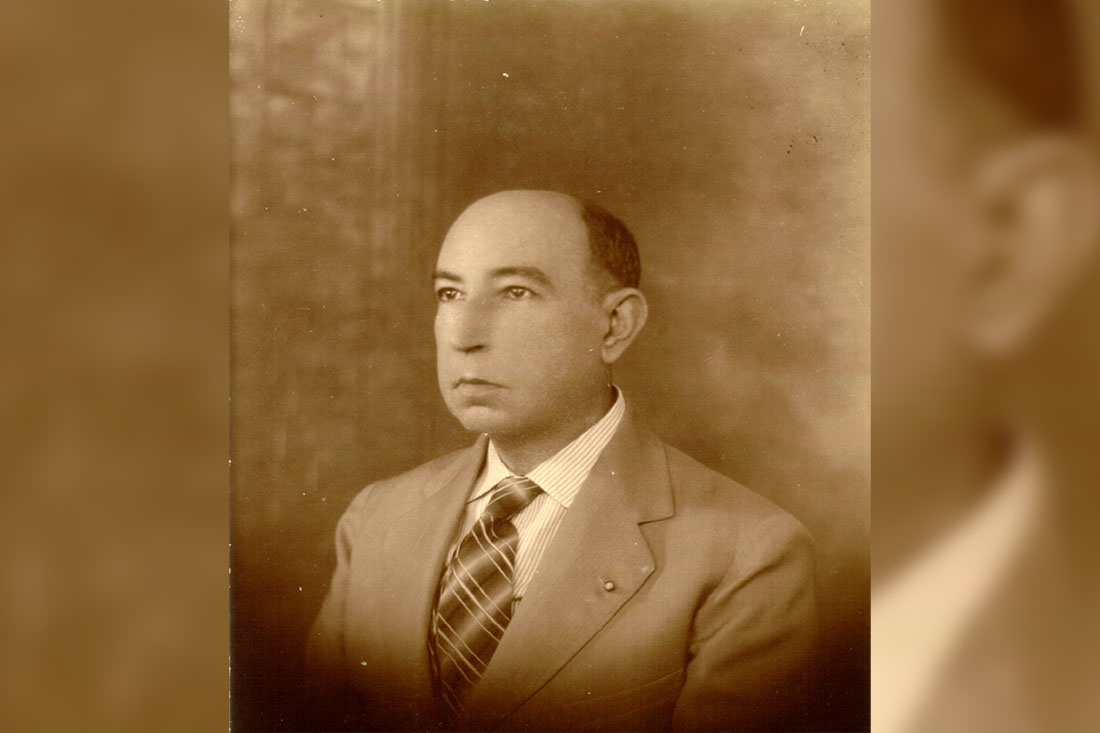
The historiographical tradition of Camagüey dates back to the first scribes who, since the 16th century, were sending chronicles and other matters to the Crown, —more or less true—, of
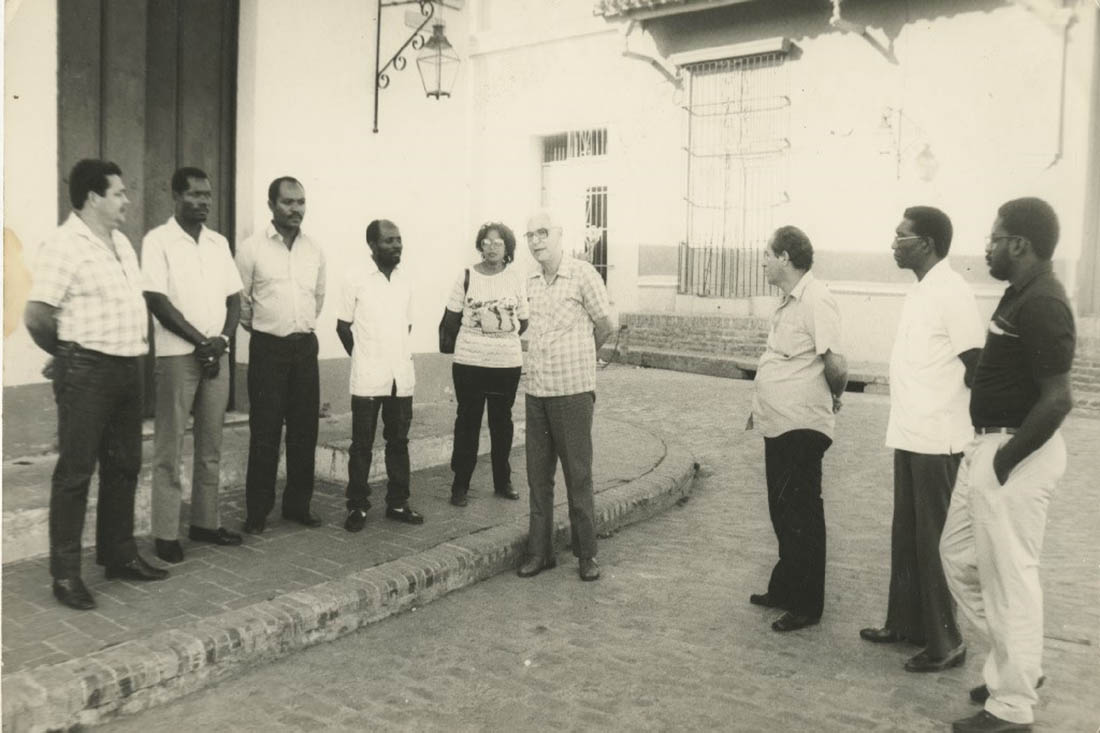
Gustavo Adolfo Sed Nieves enjoyed the happiness of having, —as Don Gaspar Betancourt Cisneros, El Lugareño, refers to him— “a friend, Doña Camagüey; and a beloved one, Camagüey; and a
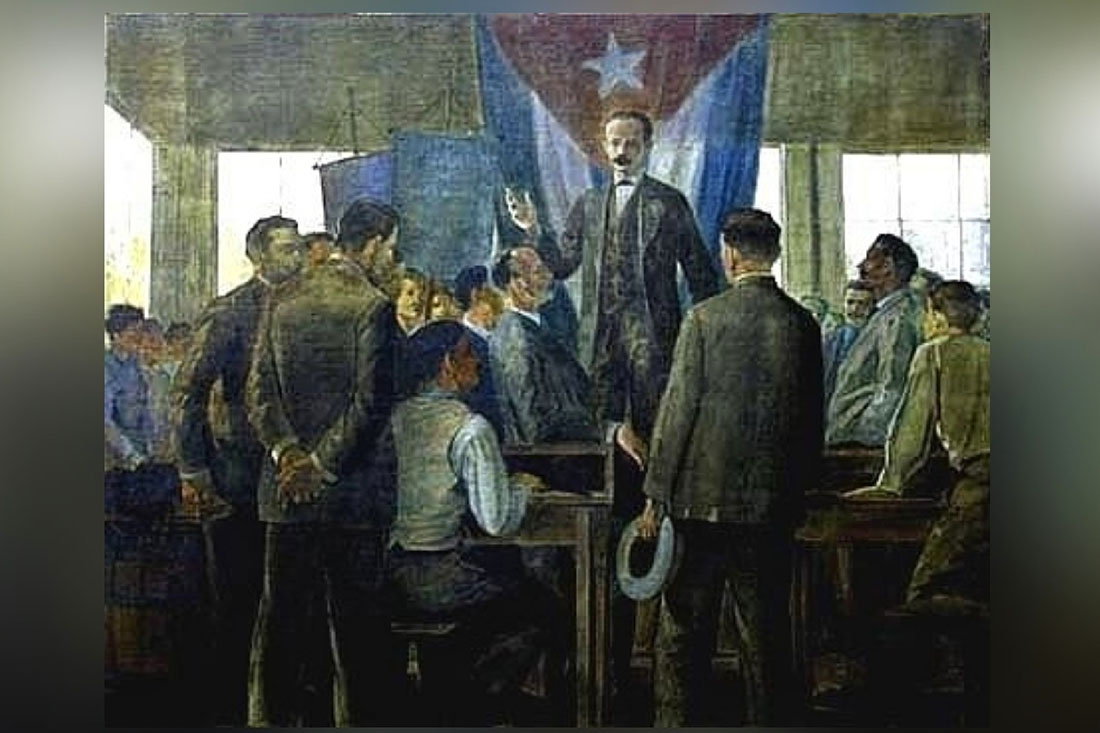
José Martí had the patriots from Camagüey who had entered the Ten Years’ War under the command of El Mayor Ignacio Agramonte Loynaz. With the “threads of the conspiracy” in
Revolutionaries can never trust the enemy. In Camagüey, a handful of revolutionaries had taken a step forward, in November 1868, to support the insurrection that broke out in the West
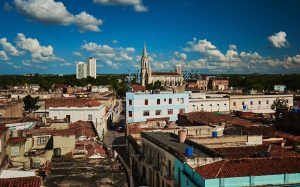
Five centuries seem enough to consolidate stories, customs and traditions in the imagination of a certain human community, however, contexts, dates and other events related to the first stage of
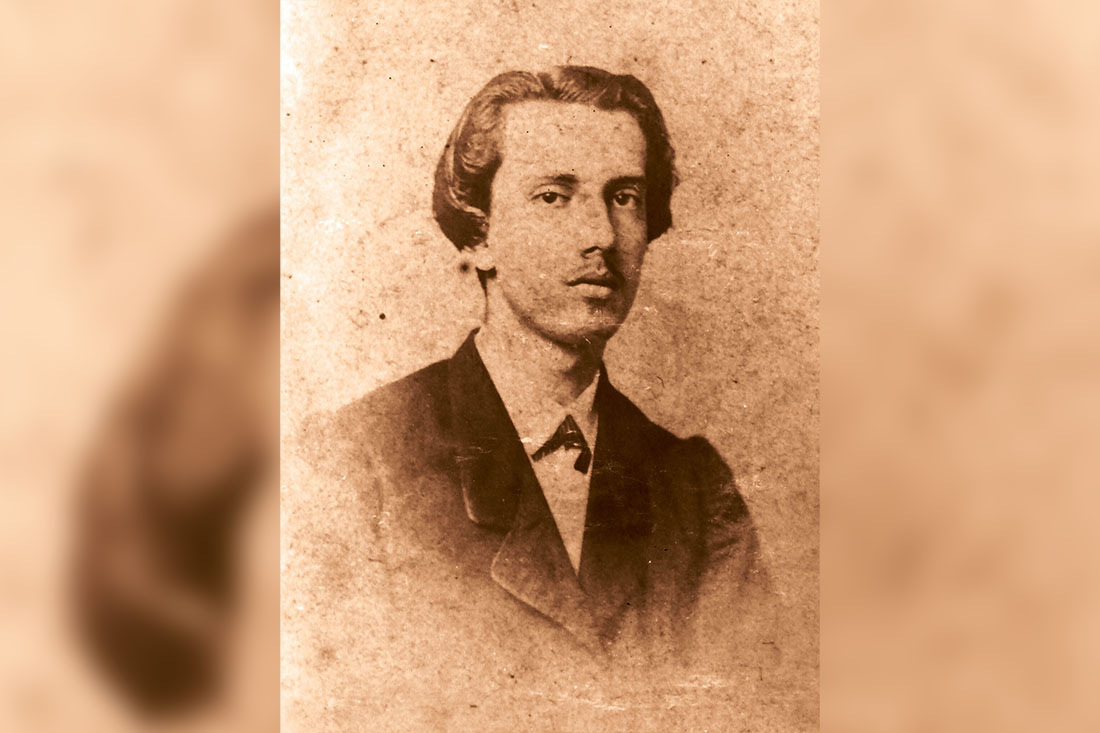
It was the people from Puerto Principe who built their own Agramontino myth. At a certain very singular juncture, the collective imagination, making use of its personal contours, turned it
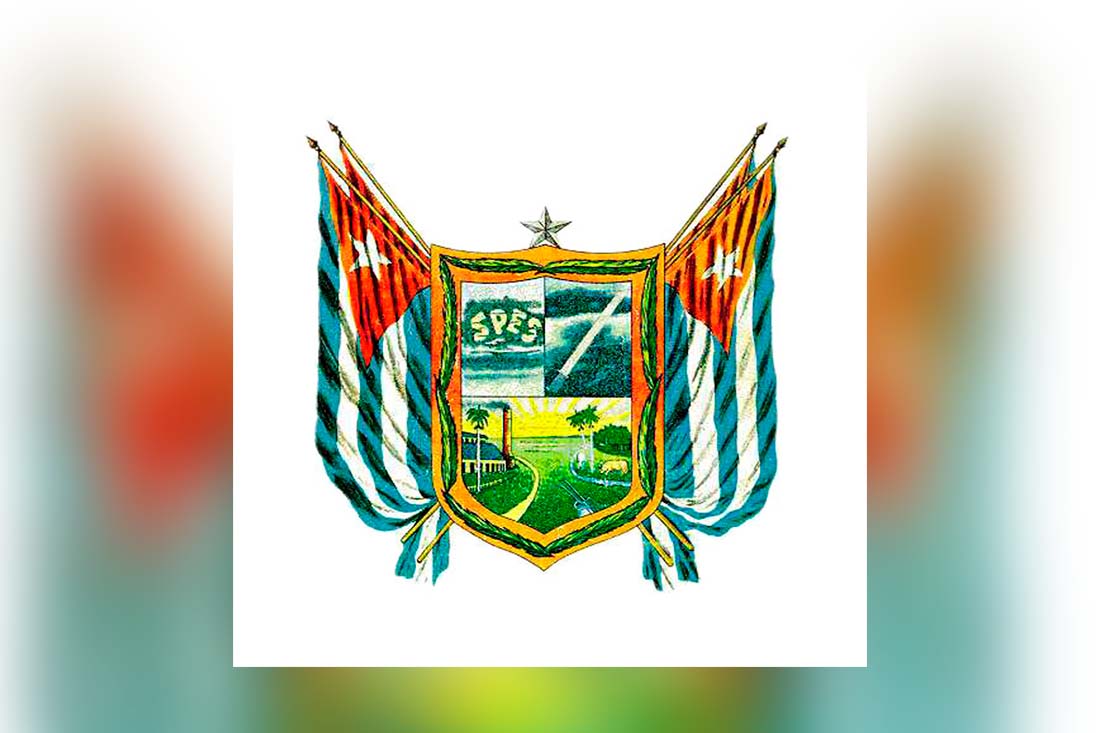
This characteristic seemed underlying in the first of the designs made by three Creole intellectuals of this town petitioners of regional coat, a sketch that once received by the chronicler

One of the original spaces of the colonial Puerto Príncipe that has enjoyed the privilege of history is the Ermita Square and the Convent of San Francisco de Asís. It
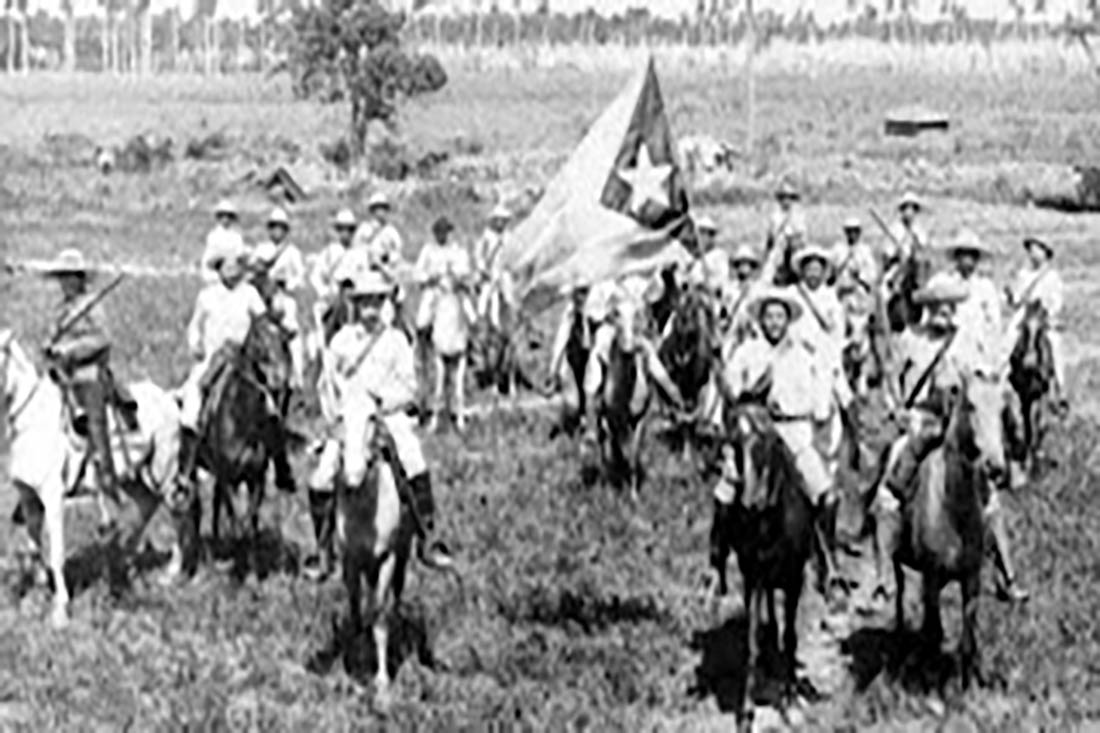
A reading without reflection of what happened in that meeting of patriots at the railway station in Camaguey, on November 26th, 1868, obscures the political and military significance it had
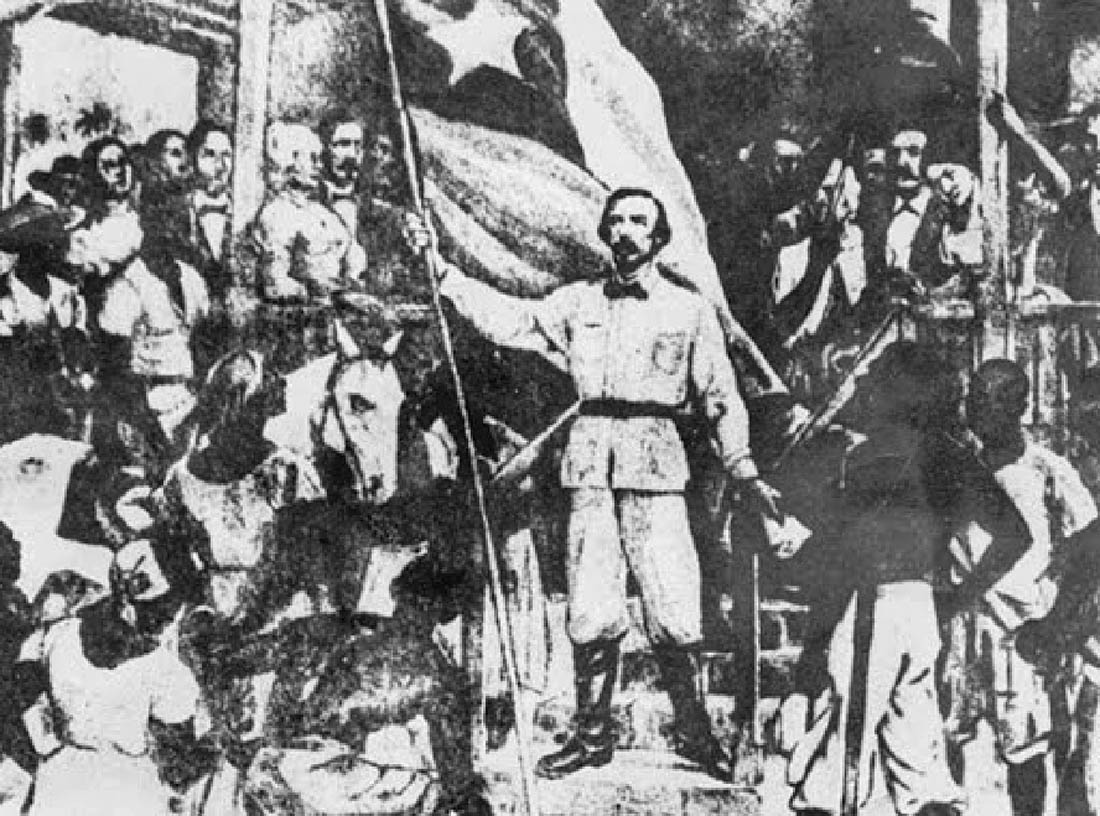
Let’s put aside, for now, the Triangular Chain of Puerto Príncipe in the glorious decade of 1820. To be honest, it was responsible for politically shaking the undemocratic government structures
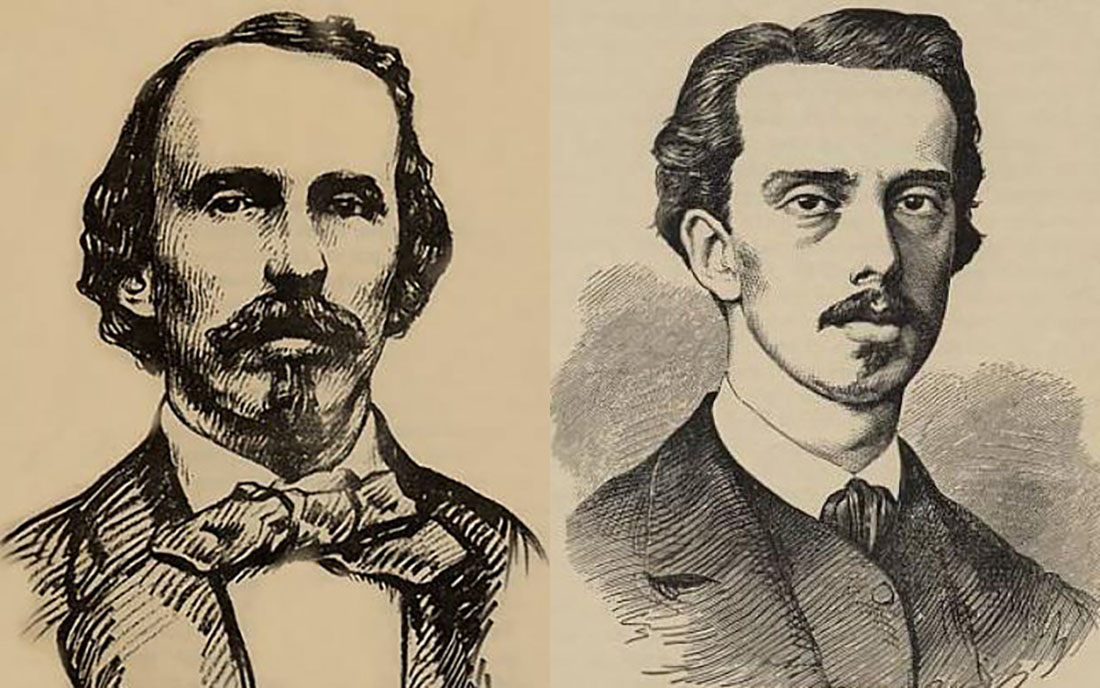
Martí fought to promote the Cuban project of a prosperous, free and united nation. Along this path, he worked incessantly to structure the humanist cultural dimension of the Revolution. Of
There have been many situations in men’s lives that have forced them to make risky decisions. This was the case in Camagüey on October 8th, 1871, when a troop of
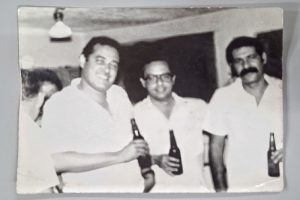
The historian Eusebio Leal Spengler came to Camagüey for the first time, in September 1985. It was not necessary to insist the Minister of the FAR and Army General Raúl

The historical region of Puerto Príncipe long before the arrival of its first settlers, who we certainly call our aborigines, not “Indians”, accumulates a rich and deep history. On the

On October 6th, 1814, the bureaucratic and servile city council of the town of Puerto Príncipe, current city of Camagüey, met in the old building on the corner of the
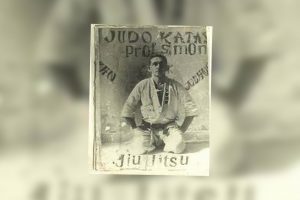
Chinese to the attack Tired of beatings, strenuous work in the fields, and of verbal abuse and moral humiliation, the Chinese were able to rebel against the ignominious slave system
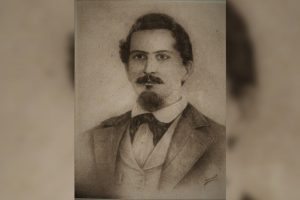
Miguel Rivas Agüero careful of history Historiography cast a skeptical look at Joaquín Jacinto de Agüero y Agüero, who took up arms to fight for the freedom of Cuba, on

On the fifth day of August 1942, the historian Gustavo Adolfo Sed Nieves was born in Camagüey, who would die in February 2002. Our historian of the city was a
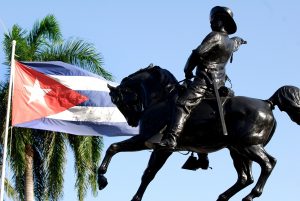
If in the East the Bayamés leader who led the outbreak on October 10th, 1868, had taken the initiative to attack Bayamo city, why wouldn’t the people of Camagüey carry